
Rosé Season
|

|
THE SATURDAY SOMMELIER |
|
Rosé has an image problem, and it’s mostly the fault of the wine’s own success. Somewhere along the way it became shorthand for poolside frivolity, a thing to be consumed by the case at brunch without much thought. That misses what rosé actually is: one of the most versatile, food-friendly, and quietly serious categories in the wine world. Good rosé is not a blend of leftover red and white wine. It’s a deliberate style, made with intention, and at its best it captures something neither red nor white can: the freshness and acidity of a white with the fruit and structure of a light red. The best examples come from producers who take it as seriously as their reds, because they do. This week, a quick primer on how rosé is actually made, how to drink it well, and eight bottles in the shop right now that span the full range of what the category can do, from a zero-proof sparkler to a Lady Gaga Dom Pérignon. |
|
|
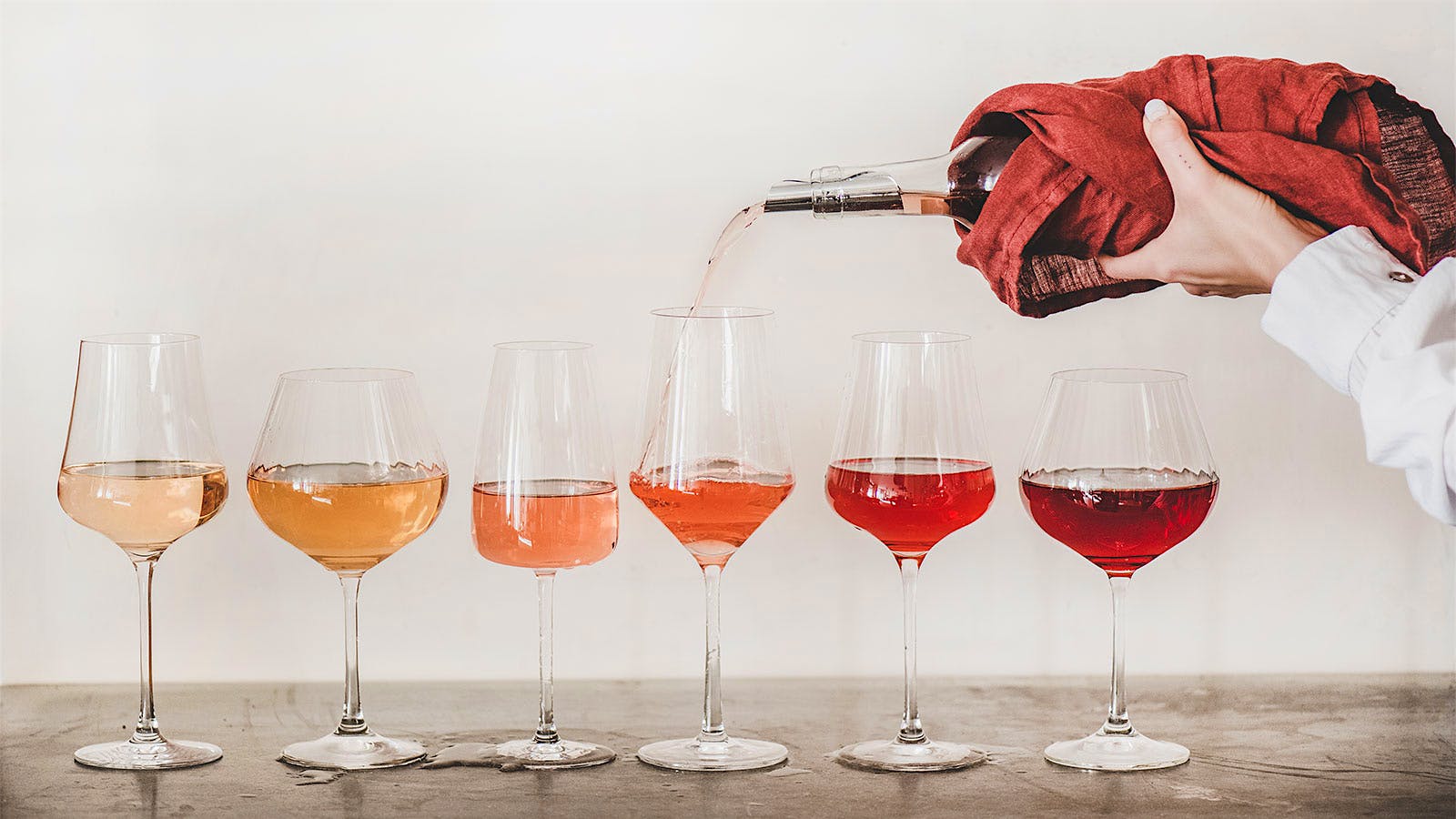
HOW IT’S MADE The color of rosé comes from grape skins, and the amount of time the juice spends in contact with them. Most grape juice, even from red grapes, runs nearly clear. The color in most red wine comes from extended contact with the skins during fermentation. Rosé is what happens when that contact is brief, anywhere from a few hours to a couple of days, giving the wine its color and a fraction of its tannin before it is pressed off the skins. |
|
1. Direct Press |
|
Red grapes are pressed gently and the juice is drained off after minimal skin contact, producing the pale, delicate style associated with Provence. |
|
2. Saignée (or “bleeding”) |
|
A portion of juice is drawn off from a batch of red wine early in fermentation, producing a deeper, more structured rosé as a byproduct of red winemaking. |
|
3. Blending |
|
Made from a blend of red and white wine together. This method is generally prohibited in Europe, with one notable exception: Champagne, where rosé is very often made by adding a little red wine to the blend. |
|
The takeaway: paler does not mean better. A pale Provence rosé and a deeply colored saignée from Tavel or Bandol are both legitimate styles with different purposes. The color tells you about the method and the intended weight of the wine, not its quality. |
|
.png "Brand campaign image")
|
FROM ZERO-PROOF to LADY GAGA These are all in the shop right now, arranged from the most casual to the most serious. Every one of them is a different argument for what rosé can be, including two that are sparkling. |
|
Leitz Eins Zwei Zero Sparkling Rosé RHEINGAU, GERMANY • NON-ALCOHOLIC Grapes: Pinot Noir (de-alcoholized) Lightly sparkling, off-dry, red berry and crisp apple. Leitz is one of Germany’s great Riesling houses, and their zero-proof line is the rare non-alcoholic wine that doesn’t taste like a compromise. This sparkling rosé is lightly fizzy, fresh, and balanced, with real fruit and acidity rather than the cloying sweetness that sinks most NA wine. Whether someone is driving, taking a dry month, or simply not drinking, this means they don’t have to sit out rosé season. Serve it cold, in a wine glass, like any other bottle. |
|
2024 Quinta da Raza Vicinus Vinho Verde Rosado VINHO VERDE, PORTUGAL Grapes: Espadeiro and other indigenous Portuguese varieties Bright, lightly spritzy, low alcohol, crisp red berry and citrus. The easy answer to “what’s a fun, affordable rosé for a crowd?” This is Vinho Verde is low in alcohol, lightly effervescent, bone dry, and built for warm afternoons. The slight spritz keeps it lively and the price makes it the obvious choice when you need to buy several bottles for a group. Chill it, pour it, enjoy it. |
|
2024 J. Mourat Collection Rosé LOIRE VALLEY, FRANCE $24 Grapes: Pinot Noir, Cabernet Franc, Gamay Pale, precise, wild strawberry and a clean mineral finish. A step up in seriousness without a big step up in price. J. Mourat is one of the Loire’s most reliable producers, and this cool-climate blend has a precision and minerality that the warmer southern rosés don’t always deliver. It’s restrained and elegant, the kind of bottle that overdelivers for the money and works as beautifully at the table as it does on its own. |
|
2022 Château Pas du Cerf Côtes de Provence Rosé CÔTES DE PROVENCE, FRANCE $22 Grapes: Grenache, Cinsault, Syrah Pale salmon, dry, red berry and citrus with a light garrigue note. The classic Provence template, done properly. Pas du Cerf is a family estate farming sustainably in the hills of the Var, and this is exactly what most people picture when they think of rosé: pale, dry, fresh, and effortlessly drinkable, with a subtle herbal lift that gives it a real sense of place. If you want the quintessential Provençal experience, this is it. |
|
2024 Domaine Rimauresq Côtes de Provence Cru Classé CÔTES DE PROVENCE, FRANCE $35 Grapes: Grenache, Cinsault, Syrah, Mourvèdre, Tibouren Refined, layered, white peach, citrus zest, mineral length. One of only 18 estates in Provence classified as a Cru Classé, a designation that predates the more famous Bordeaux classification and signals real pedigree. Rimauresq is a notch more serious than your average Provence rosé: more texture, more length, more complexity. The addition of the local Tibouren grape gives it an extra dimension of character. This is the bottle for someone who thinks they don’t take rosé seriously, served to change their mind. |
|
2021 Massaya Classic Rosé BEKAA VALLEY, LEBANON $25 Grapes: Primarily Cinsault, with Syrah and Cabernet Sauvignon Delicate salmon hue, strawberry, red berries, subtle spice, floral lift. The conversation-starter of the lineup. Lebanon has one of the oldest winemaking traditions on earth, dating back thousands of years in the Bekaa Valley, and the Ghosn family’s Massaya, made in collaboration with Rhône winemaking partners including the Brunier family of Vieux Télégraphe, is one of its standard-bearers. Grown at high altitude and fermented in stainless steel to preserve brightness, it drinks like a southern French rosé with an extra layer of spice and history. Only two left. |
|
2024 Domaine des Terres Promises ‘La Chance’ Bandol Rosé BANDOL, PROVENCE $50 Grapes: Mourvèdre-dominant blend Structured, savory, wild strawberry, blood orange, saline depth. The serious one. Bandol is the pinnacle of Provençal rosé, built around the Mourvèdre grape, which gives these wines a savory, structured intensity that lighter rosés can’t match. La Chance has real depth and grip, the kind of rosé that drinks more like a wine than a refreshment. It can stand up to substantial food, and unlike most rosé, it can actually age, developing complexity over three to five years. If you want to understand why people take rosé seriously, this is where you start. |
|
2008 Dom Pérignon Rosé x Lady Gaga CHAMPAGNE, FRANCE • VINTAGE ROSÉ CHAMPAGNE Grapes: Pinot Noir and Chardonnay Profound, structured, red fruit, spice, brioche, extraordinary length. The 2008 Dom Pérignon Rosé is one of the most celebrated vintages of one of the most celebrated Champagnes on earth, and this release came dressed in a limited-edition bottle designed in collaboration with Lady Gaga. The collaboration is the conversation piece, but the wine inside is the real thing: 2008 was a legendary Champagne vintage, and the rosé is profound, built to age for decades, with the structure and complexity that define rosé Champagne at the very top. Note that unlike most rosé, this one is made by blending red and white wine, the one place that practice is not only permitted but traditional. This is the bottle for a milestone or big celebration. |
|
|
|
FOUR THINGS WORTH KNOWING 🍷 Don’t serve it too cold. This is the most common mistake. Ice-cold rosé tastes refreshing but mutes everything interesting about it. Pull it from the fridge 10 to 15 minutes before pouring, or serve it around 50–55°F. The aromatics and texture open up considerably as it warms slightly in the glass.
|
|
|
|
Come in and we’ll help you find the right bottle for whatever you’ve got planned, whether that’s a picnic, a dinner party, or a Tuesday. It is, after all, the season for it. |
|
See you soon 🥂 |