
Wine Myths & Misconceptions
|

|
THE SATURDAY SOMMELIER |
|
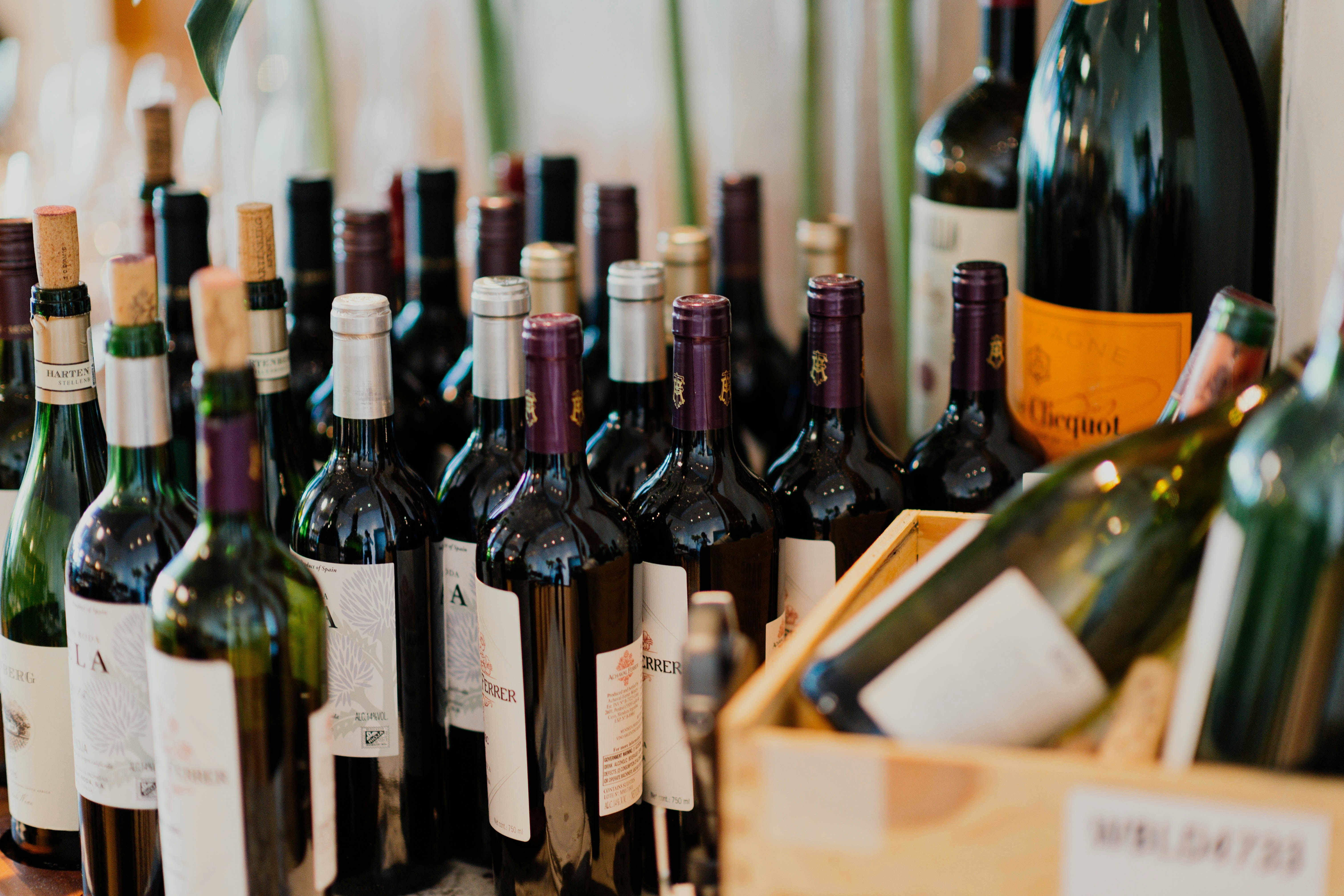
Most wine rules started somewhere reasonable. Serve red at room temperature made sense when rooms were stone cellars. Cork over screw cap made sense before anyone had a better seal. The trouble is the rules outlived their reasons, and kept getting repeated anyway. Here are ten of the most common ones, and where each stands today. |
|
|
|
|
TEN MYTHS WORTH FORGETTING |
|
MYTH No. 1 |
|
The phrase dates from an era of European stone cellars, where room temperature meant something closer to 60–65°F. Modern heated rooms run 72–75°F, which is too warm for most reds. At that temperature the alcohol reads as harsh and the wine feels flabby. Most reds show best between 60 and 65°F, so a lot of them benefit from 15 to 20 minutes in the fridge before serving. Lighter reds like Beaujolais or a delicate Pinot Noir can go cooler still. If a red tastes hot or boozy, temperature is usually the culprit. A beautifully transparent expression of one of California’s premier cool-climate Pinot Noir regions, crafted with native fermentation, minimal intervention, and a focus on vineyard character over winemaking influence. |
|
MYTH No. 2 THE VERDICT: Mostly false. |
|
The vast majority of wine made in the world is designed to be drunk within a year or two of release, while its fruit is fresh. Only a small minority of wines have the structure, meaning tannin, acidity, and concentration, to improve over the long haul, and even those have a peak window after which they fade. An old bottle of something not built to age isn’t a treasure. It’s usually past it. Age rewards the right wines and undoes the wrong ones. |
|
MYTH No. 3 THE VERDICT: False. |
|
In blind tastings, the link between price and enjoyment is famously weak, and sometimes runs backward. When people don’t know what a bottle costs, they often can’t pick the expensive one, and sometimes prefer the cheaper one. Price reflects scarcity, prestige, oak, labor, land, and reputation. None of those guarantee that a given bottle is the right one for your palate. Pomerol is one of the most prestigious appellations in Bordeaux, home to bottles that run into the thousands, and Bellegrave delivers that Right Bank magic for $65. It's a blend from a family-run estate on soils of gravel, clay, and iron-rich subsoil. The 2018 is generous and polished with notes of black cherry, plum and cocoa. |
|
MYTH No. 4 THE VERDICT: False. |
|
Those streams that run down the inside of the glass after a swirl, sometimes called legs or tears, come from alcohol content and the physics of evaporation. More prominent legs mean higher alcohol, and that’s it. They say nothing about quality, age, or how much you’ll enjoy the wine. It’s a piece of wine theater that has outlived its usefulness. A rich and powerful expression of Puglia’s Primitivo grape, drawn from old, low-yielding vines, from Nicola Chiaromonte, who put Primitivo on the map. This bottle claims the highest ABV of any unfortified wine in the world: a staggering 19.8%. |
|
MYTH No. 5 THE VERDICT: Very unlikely. |
|
The evidence here is thin. Sulfites are preservatives found in nearly all wine, and in far higher concentrations in dried fruit, which nobody blames for headaches. A small number of people, mostly those with severe asthma, have true sulfite sensitivity, and it shows up as respiratory symptoms rather than headaches. Wine headaches are more plausibly explained by alcohol, dehydration, tannins, histamines, or volume. Note: "no sulfites added" doesn't mean "sulfite-free." Sulfites occur naturally in every wine as a byproduct of fermentation. It means the winemaker chose not to add any, letting the wine stand on its own. |
|
.png "Brand campaign image")
|
MYTH No. 6 THE VERDICT: False. |
|
The closure has no bearing on what’s in the bottle. A screw cap creates a reliable seal and eliminates cork taint, the musty, wet-cardboard flaw caused by contaminated corks that affects a small but meaningful percentage of cork-sealed wine. Plenty of excellent producers choose screw caps deliberately, especially in Australia, New Zealand, and Austria, and especially for crisp whites meant to be drunk young and fresh. Cork remains the tradition for wines built to age, since a small amount of oxygen exchange over decades can benefit them. The choice is about the wine’s intended life, not its price. |
|
MYTH No. 7 THE VERDICT: Outdated. |
|
There’s a kernel of truth here. Tannic reds do clash with delicate fish, producing a metallic note. But as a blanket rule it’s far too rigid. A light, chilled red like Beaujolais is lovely with salmon or tuna. A rich white Burgundy handles roast chicken or pork with ease. Rosé and lighter reds are enormously versatile. A better guideline: match the weight of the wine to the weight of the dish, and pay more attention to the sauce than the protein. An aromatic, light-to-medium-bodied red made from 100% Gamay grapes. Hailing from one of the ten Beaujolais crus, this vintage offers a highly expressive palate. |
|
MYTH No. 8 THE VERDICT: Depends on the wine. |
|
Color intensity comes from grape variety, winemaking choices, and, in the case of rosé, skin contact time. A pale Provence rosé, a light-colored Pinot Noir, and a crystal-clear Muscadet are pale by design, and any of them can be superb. The reverse holds too. A deeply colored wine isn’t automatically better, since some grapes simply carry more pigment. Color tells you about style, not quality. A beautifully balanced, classic French rosé from a highly regarded Mediterranean estate. It's expressive and fragrant, with bright citrus and red berries. |
|
MYTH No. 9 THE VERDICT: False. |
|
Color intensity comes from grape variety, winemaking choices, and, in the case of rosé, skin contact time. A pale Provence rosé, a light-colored Pinot Noir, and a crystal-clear Muscadet are pale by design, and any of them can be superb. The reverse holds too. A deeply colored wine isn’t automatically better, since some grapes simply carry more pigment. Color tells you about style, not quality. A vibrant, naturally crafted expression sourced from organically farmed vineyards on granite soils in the Loire Valley. Aromas of green apple, lemon zest, pear, white flowers, and oyster shell. |
|
MYTH No. 10 THE VERDICT: False, and worth letting go of. |
|
This one keeps people from enjoying wine at all, which makes it the costliest myth on the list. Tasting ability is built through attention and practice, not handed out at birth. You don’t need to name “notes of crushed gravel and forest floor” to know whether you like what’s in your glass. Your own preference is the thing that matters. The most useful wine skill isn’t a refined palate. It’s the confidence to drink what you enjoy. |
|
TRUST YOUR PALATE If there’s a common thread here, it’s that a lot of wine’s rules exist to make people feel either superior or inadequate, and most of them don’t survive a closer look. The people we admire most in wine, the sommeliers and winemakers and lifelong drinkers, tend to be the least rule-bound in the room. They serve reds cool, put ice in a glass on a hot day, drink Champagne with pancakes, and never make anyone feel silly for what they like. Knowing the facts frees you up to enjoy wine on your own terms, without the folklore getting in the way. Drink what you like, serve it how it tastes best to you and ask whatever you want to ask. |
|
See you soon 🥂 |