THE SATURDAY SOMMELIER
August 15, 2026 | ISSUE No. 39
Your weekly deep-dive into the world of wine & spirits
|
|
Understanding Oak
The most powerful ingredient in wine that never appears on the label
|
|
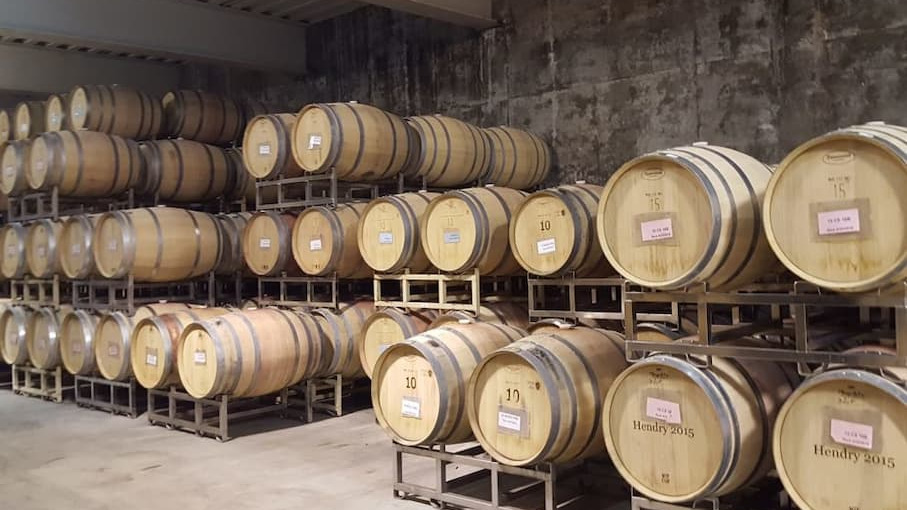
Some of the flavors you love most in wine don’t come from grapes at all. That vanilla note in a rich Chardonnay, the baking-spice warmth in a Napa Cabernet, the toasty, caramel edge on a glass of Rioja. All of that comes from wood. Oak is one of the most powerful tools a winemaker has. It shapes a wine’s flavor, its texture, and how long it can age.
Used with a light hand, it adds depth and complexity you’d never guess came from a barrel. Used heavily, it can flatten a wine into a wall of vanilla and toast.
This week: what oak does, the choices a winemaker makes, and a handful of bottles that let you taste those choices in the glass.
|
|
★ UPCOMING EVENT ★
Tasting Notes with Tim Vasile
The Wines of West Sonoma Coast
This Thursday, 8/20
6-8pm
Drop in, no reservations needed
$20
|
|
THE FUNDAMENTALS
WHAT OAK DOES TO WINE
A wine barrel isn’t a passive container. It’s an active ingredient that changes the wine in three distinct ways, and these three jobs explain most of what oak is doing.
|
|
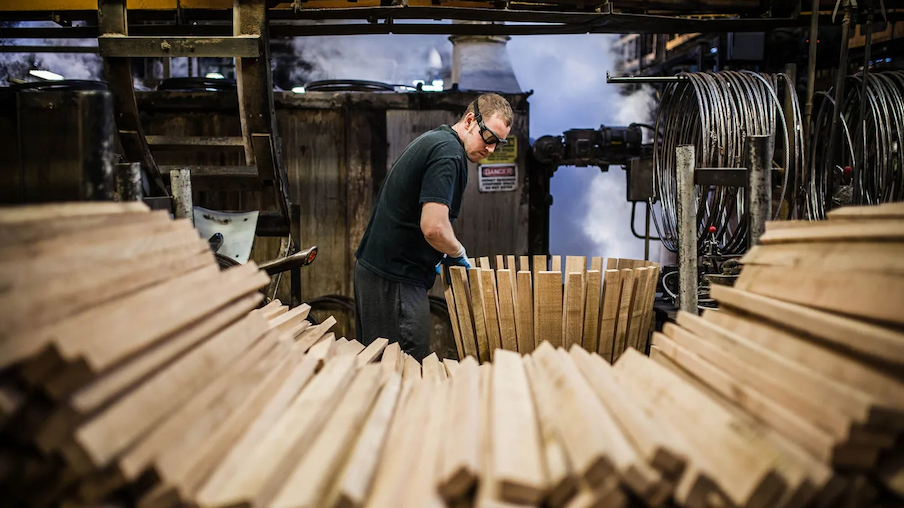
When a barrel is made, the wood is toasted over a flame, and that toasting creates flavor compounds the wine soaks up. Vanilla, baking spice, toast, caramel, smoke, coconut, clove, and cedar are the classic ones. The heavier the toast, the stronger the flavors. These aromas layer on top of the fruit rather than replacing it.
|
|
Oak softens a wine and gives it a rounder, fuller feeling in the mouth. Time in barrel smooths out harsh edges in young reds and adds a creamy weight to whites. This is why an oaked Chardonnay feels broad and silky while an unoaked one feels lean and crisp. It’s not about flavor here, it’s about feel.
|
|
3. It Lets the Wine Breathe
|
|
Wood is slightly porous, so a tiny amount of oxygen reaches the wine through the barrel over months of aging. This gentle exposure softens tannins, stabilizes color, and helps a wine develop the more complex flavors that make it age-worthy. It’s the slow, patient part of what a barrel does, and it can’t be rushed.
|
|
THE OPTIONS
NEW OAK vs. OLD OAK
The biggest factor in how much oak you taste is whether the barrel is new or used. It’s the first decision a winemaker makes, and it changes everything.
|
|
New Oak: Bold & Expressive
|
|
A brand-new barrel gives the strongest flavor: lots of vanilla, spice, and toast. New French oak barrels cost well over $1,000 each, so heavy use of new oak signals an ambitious, often pricey wine. Too much on a delicate wine can bury it. On a big, structured red, it can be glorious.
|
|
Old Oak: Subtle & Neutral
|
|
After a few years of use, a barrel gives up most of its flavor and becomes almost neutral. Now it’s mostly doing the texture and breathing jobs without adding obvious wood flavor. “Neutral oak” is how producers add complexity and roundness while letting the fruit and the site speak for themselves.
|
|
THE OPTIONS
FRENCH OAK vs. AMERICAN OAK vs. SLAVONIAN OAK
Where the oak tree grew matters as much as how the barrel is used. The two most common origins give noticeably different results, and a third tradition rounds out the picture.
|
|
French oak is tight-grained and subtle. It tends toward spice, cedar, and a fine, silky texture, and it’s the choice for most Bordeaux, Burgundy, and wines aiming for elegance.
|
|
American oak is looser-grained and bolder, giving stronger notes of vanilla, coconut, and sweet dill. It’s traditional in Rioja and much of Australia, and it makes a warmer, more overt style.
|
|
A third path, common in Italy, uses large casks of Slavonian oak from Eastern Europe, prized for adding structure and slow oxygen exposure with very little wood flavor at all.
|
|
THE OPTIONS
BARREL SIZE & the BOTTE
Size matters, because it changes the ratio of wine to wood. A small barrel touches more of the wine and imparts more flavor. A large cask touches proportionally less.
|
|
The standard small barrel, called a barrique, holds about 225 liters and is the workhorse of Bordeaux, Napa, and Burgundy. Its high wood-to-wine contact makes it the tool for wines that want real oak presence.
|
|
At the opposite end sits the botte, the large traditional cask of Italy and much of the Old World, which can hold thousands of liters. Because so little of the wine touches the wood, a botte imparts almost no oak flavor. It’s used for wines meant to taste of fruit and place rather than wood, like traditional Barolo and Brunello.
|
|
THE BACKLASH
ON "TOO OAKY"
For a stretch in the 1990s and 2000s, big, heavily oaked wines were the fashion, especially oaky Chardonnay drenched in new-oak vanilla and butter.
|
|
The style became so common that a backlash followed, and “unoaked” or “unwooded” appeared on labels as a selling point. The famous shorthand for the pushback was the “ABC” club: Anything But Chardonnay.
The answer sits in the middle. Oak isn’t good or bad. It’s an ingredient, like salt. Too much drowns everything, none at all can leave a wine feeling simple, and the right amount makes the whole thing sing. A well-oaked wine doesn’t taste like oak. It tastes complete, with the wood woven in so smoothly you might not notice it’s there. That balance is what a skilled winemaker is after.
|
|
TASTE FOR YOUSELF
SIX BOTTLES TO TRY
The best way to understand oak is to taste it doing different jobs. Each of these bottles is in the shop, and each one illustrates a different part of the story.
|
|
White Bordeaux is one of the few whites that can take serious oak and thrive. This is barrel-fermented and aged in French oak, which gives it a waxy, toasty richness and a creamy texture layered over citrus and stone fruit. The oak here adds weight and complexity. A benchmark for how oak and white wine can work together.
|
|
--> 2023 Hendry Barrel Fermented Chardonnay, California $40
New World barrel fermentation, up close.
It’s right there in the name. Fermenting a white wine in barrel, rather than aging it there after the fact, integrates the oak more seamlessly and builds a rounder, creamier texture. This is a beautiful, balanced example of the Napa Chardonnay style: ripe orchard fruit and a gentle toasty warmth. Taste it next to a crisp unoaked white to really taste the difference.
|
|
Oak as a deliberate choice.
Here's a case where the winemaker chose restraint. Pinot Noir can be made across the whole oak spectrum. Some bottlings see a heavy dose of new oak and wear it proudly, while others use mostly older barrels for the lightest touch. Neither is right or wrong, it's a stylistic decision. Big Table Farm leans toward subtlety: silky and red-fruited with the oak felt more a texture than flavor. A reminder that how much wood ends up in a wine is a choice the winemaker makes.
|
|
New French oak on a serious red.
A Napa icon aged in a high proportion of new French oak. On a wine of this structure and concentration, that new oak isn’t excessive, it’s the frame that holds everything together: cassis and dark berry meet cedar and a fine, polished tannin. This is what ambitious new French oak tastes like when the wine underneath is big and bold.
|
|
French oak with restraint.
Red Burgundy shows a different philosophy of oak from Napa. Chambolle-Musigny is prized for elegance and perfume, and a thoughtful producer like Sigaut uses only a modest proportion of new oak so the wine's delicacy comes through. The result is layered and lifted: red cherry, rose petal, with the oak adding a subtle frame. Taste it next to the Quintessa for a direct contrast.
|
|
--> 2016 Valdicava Brunello di Montalcino Riserva, Tuscany $300
The Botte: oak you can't taste.
The perfect counterpoint to the Napa reds above. This traditional Brunello is aged for years in large Slavonian oak casks, so despite all that time in wood, you’ll find almost no obvious oak flavor. Instead the barrel quietly softens the tannins and lets the Sangiovese show its pure character: dried cherry, leather & tobacco. Proof that lots of oak aging and lots of oak flavor are two very different things.
|
|
ONE FOR DESSERT
A SWEET FOOTNOTE
Oak plays a starring role in sweet wine too. If you’re curious to taste it at the far end of the spectrum, we have a bottle of 2013 Château d’Yquem, the greatest name in Sauternes, aged for around two to three years in a high proportion of new oak.
In a wine this rich and concentrated, the oak adds a toasty, spiced complexity that balances the honeyed sweetness and helps it age for decades. It’s a remarkable illustration that oak isn’t only for reds and dry whites.
|
|
Want to taste the difference side by side?
Come in and we’ll set you up with an oaked and unoaked pair to taste at home. It’s the fastest way to train your palate.
See you soon 🥂
|
|
|
|
|