
The Wine Tasting Toolkit
|

|
THE SATURDAY SOMMELIER |
|
We're revisiting some of our favorite past issues while our writer Alyssa is on vacation. If you missed them the first time, now's your chance. If you didn't, they're worth a second read. Back with new issues soon! And as always, the shop is open and the wine bar is pouring. |
|
|
|
The Wine Tasting Toolkit |
|
Ask a sommelier what they’re doing when they taste a wine, and the answer is usually some version of: looking for information. Not trying to identify the exact hillside the grapes came from. Just gathering data in a systematic way that builds toward a conclusion.
The mechanics of tasting wine are learnable. The framework that sommeliers use isn’t a secret - it’s a structured approach to paying attention, and anyone can develop it with a little practice and the right vocabulary. This week, we’re pulling back the curtain on exactly how to use a tasting framework.
And if you want to do it live, in person, with glasses in hand and a sommelier guiding the way, we have a class coming up that was made for exactly this. |
|
|
|
|
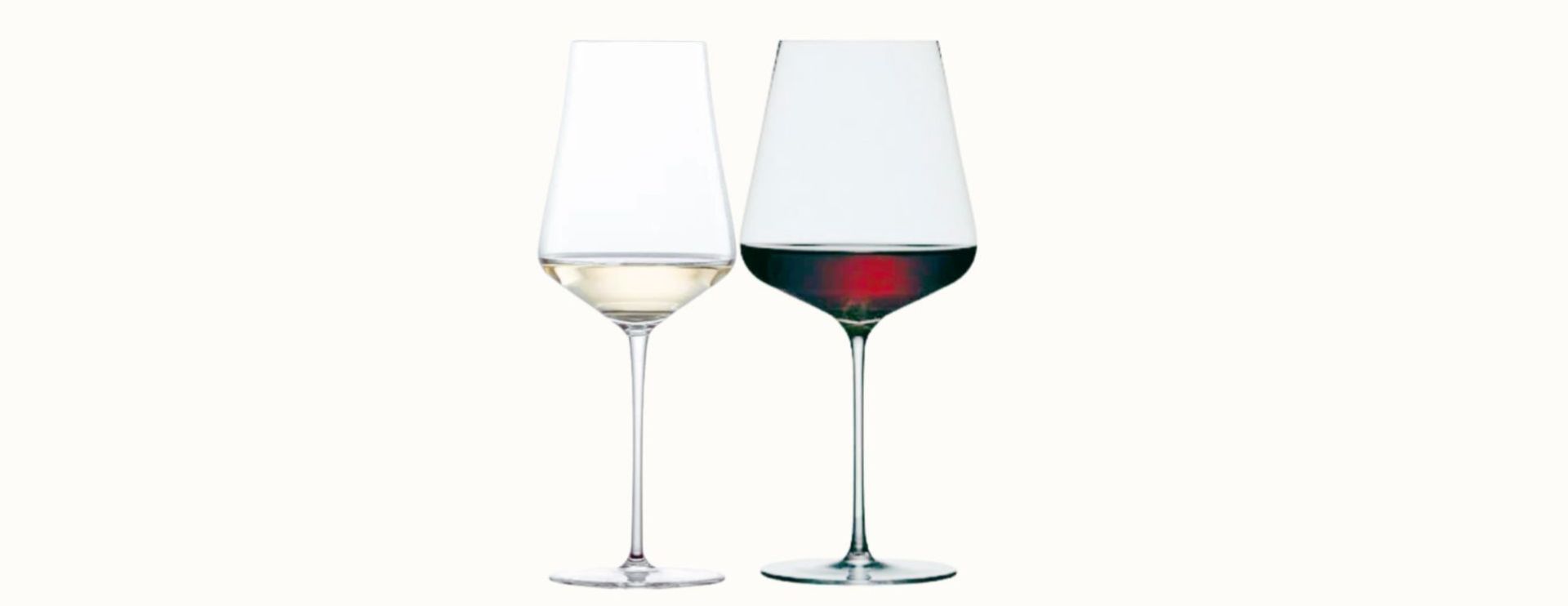
THE FOUR STEPS in TASTING WINE Sommeliers use a structured tasting grid that evaluates wine across five dimensions: sight, nose, palate, conclusions, and identity. You don’t need to memorize the grid to benefit from the approach. What matters is the underlying logic: slow down, observe in sequence, and withhold conclusions until you’ve gathered all the evidence. Here’s how each step works in practice:
|
|
👓 Sight: What the Wine Is Telling You Before You Smell It
|
|
Pour the wine and hold it against a white background — a napkin, a piece of paper, a white tablecloth. Look at three things: color, clarity, and depth of hue. Color tells you about grape variety and winemaking. A pale, almost transparent white is likely a cool-climate grape like Pinot Grigio or Albarino. A deep gold suggests oak aging, extended skin contact, or a warmer climate. For reds: a bright, translucent ruby points to Pinot Noir or Gamay. An opaque, ink-dark purple points to Syrah, Malbec, or Mourverdre. Clarity tells you whether the wine is filtered (bright and crystal-clear) or not (slight haze, often in natural wines). The rim of a red wine also tells you age: a purple rim is young; a brick-orange rim is a wine with some years on it.
|
|
👃 Nose: What Scent Reveals
|
|
Swirl the glass for 10–15 seconds, then take your time with it. Sommeliers organize what they smell into three layers: primary aromas (fruit, floral, herbal — straight from the grape), secondary aromas (bread, cream, biscuit — from fermentation) A complex wine shows all three; a simpler one will be mostly primary fruit. One thing to watch for: a smell of wet cardboard means the wine is corked (a flaw caused by a compound called TCA).
|
|
👄 Palate: The Full Picture
|
|
Take a sip and let the wine move across your entire palate. Most people sip and swallow immediately; sommeliers hold the wine for 5–8 seconds and pay attention to what’s happening throughout that time. You’re evaluating seven elements: sweetness (is there any residual sugar?), acidity (does it make your mouth water?), tannin (is there a drying, grippy sensation in your gums and cheeks?), alcohol (warmth in the throat and finish), body (weight — skim milk vs. whole milk vs. cream), texture (silky, grippy, velvety, watery), and finish (how long do the flavors linger after you swallow?). A great wine will have length — you’ll still taste it 30–45 seconds after swallowing. An average wine fades in under 10.
|
|
📝 Conclusions: Putting It Together
|
|
Now you draw your inferences. Based on what you’ve seen, smelled, and tasted: Is the wine balanced? Are the different elements working together to provide a pleasant drinking experience? What is the quality level? What grape is this likely to be? How old is it? Where might it be from? You don’t have to be right. The goal is building your mental database that gets richer every time you taste with intention. Over time, the patterns become instinct.
|
|

|
|
|
THE VOCABULARY One of the biggest barriers to tasting with confidence is vocabulary. Here are terms that describe measurable characteristics in wine tasting: |
|
Acidity |
|
The tartness or crispness of a wine. High-acid wines taste bright and refreshing and make your mouth water. Low-acid wines taste flat or flabby. Acidity is one of the most important structural elements in wine and what gives wine its liveliness and food-friendliness. |
|
Tannin |
|
The grippy, drying sensation in your gums and the inside of your cheeks. Tannins come from grape skins, seeds, and oak. They provide structure and allow wines to age. High-tannin grapes: Cabernet Sauvignon, Nebbiolo, Syrah. Low-tannin: Pinot Noir, Grenache. |
|
Body |
|
The perceived weight and fullness of the wine in your mouth. Described as light, medium, or full. Alcohol contributes to body (higher alcohol wines feel heavier). |
|
Finish |
|
How long the flavor persists after you swallow. A short finish (under 10 seconds) indicates a simpler wine. A long finish (30+ seconds) is a hallmark of quality. The flavors that linger on the finish are often the most revealing about a wine’s character. |
|
Primary |
|
The three layers of aroma. Primary = fruit and floral from the grape. Secondary = yeast-derived notes from fermentation (bread, cream, butter). Tertiary = complex notes from aging (leather, tobacco, truffle, earth, dried fruit, spice). |
|
Minerality |
|
A contested but widely used term describing flavors and textures that evoke stone, slate, chalk, or wet rocks. Often found in wines from volcanic soils (Chablis, Sancerre, Etna). |
|
Balance |
|
The relationship between acidity, tannin, alcohol, sweetness, and fruit. A balanced wine is one where no single element dominates to the point of distraction. Balance is the single most reliable indicator of quality. |
|
|
|
ONE MORE THING: The Myth of the Gifted Palate
Studies of professional sommeliers consistently show the opposite: that expert-level tasting ability is the product of deliberate practice, structured attention, and accumulated experience. |
|
|
|
|