
The Decanter: When to use it and why it works
|
THE SATURDAY SOMMELIER |
|
Decanting is one of the simplest things you can do to dramatically improve what’s in your glass. It's not a ritual for serious collectors or a signal that you take wine too seriously. It’s a practical tool, and once you understand what’s happening chemically when wine meets oxygen, the decision of when to decant, and for how long, becomes obvious rather than mysterious. This week we’re covering everything: the science, the technique, the common mistakes, and a quick reference guide for the wines most worth decanting. |
|
|
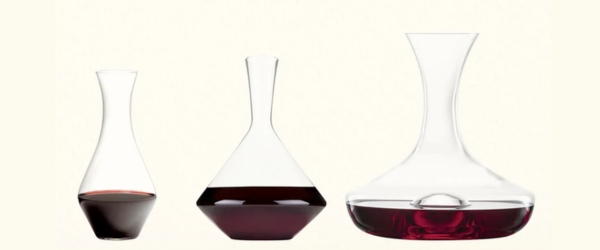
WHAT’S ACTUALLY HAPPENING When wine is poured from a bottle into a decanter, two things happen. The aeration effect is real and measurable. Tannins in young wines are often in a state that makes them feel harsh and drying on the palate. Exposure to oxygen allows them to bind with other compounds and soften. Aromatic compounds that are trapped in solution get released. Reduced sulfur compounds (which can give wine a rubbery or struck-match smell when first poured) volatilize and disappear. How long this takes depends almost entirely on the wine. A young, tannic Barolo may need two hours. A delicate old Burgundy may need twenty minutes, or no time at all, since over-decanting an old wine can strip the fragile aromas that took decades to develop. Getting this calibration right is the whole art of decanting. |
|
|
|
TO DECANT OR NOT TO DECANT? That is the question The short answer: almost any red wine benefits from at least a brief decant. Most full-bodied whites do too, though fewer people try it. The exceptions are wines that are very old and fragile, or wines that are designed to be drunk immediately without development. |
|
Young, tannic reds: always decant |
|
Cabernet Sauvignon, Syrah, Barolo, Amarone, Brunello — anything with significant tannin and a long aging potential is almost always better in a decanter. Oxygen is the key. The difference between a Barolo poured straight from the bottle and the same wine after an hour in a decanter can be genuinely dramatic. Plan on 45 minutes to two hours as a starting point, though Barolo and Barbaresco can easily go three hours. The best approach: taste along the way and let the wine tell you when it's ready. Use a wide decanter as this will give the most access to oxygen. |
|
Mid-aged reds (5–15 years): usually decant, briefly. |
|
These wines have already done some of their opening work in the bottle. They typically need less time than young wines. The goal is to give them a nudge, not a full awakening. |
|
Old wines (15+ years): decant carefully, or not at all. |
|
Old wines are the trickiest call. They often have sediment that needs separation, which means decanting is necessary. But their aromatic complexity is fragile. The tertiary notes of leather, truffle, and dried fruit that took decades to develop can fade quickly once exposed to air. |
|
Whites and rosés: more often than you think. |
|
Full-bodied whites (like aged white Burgundy, white Rhône, serious white Bordeaux) often benefit from 15 to 30 minutes in a decanter. The aeration opens up the aromatics in a way that cold temperature and a closed bottle suppresses. Lighter whites and rosés generally don’t need it, but if you have a textured, complex white and you want to understand it better, try it. You may be surprised. |
|
Natural wines: often, yes (gently). |
|
Many natural wines, especially those bottled with low or no sulfur, can smell slightly reduced when first opened. In most cases, 15 to 20 minutes in a decanter resolves it entirely. This is one of the most useful things you can know about natural wine. |
|
Sparkling wines: not at all |
|
Decanting sparkling wines will cause you to lose all of the lovely bubbles. Just pop, pour and enjoy. |
|
|
|
|
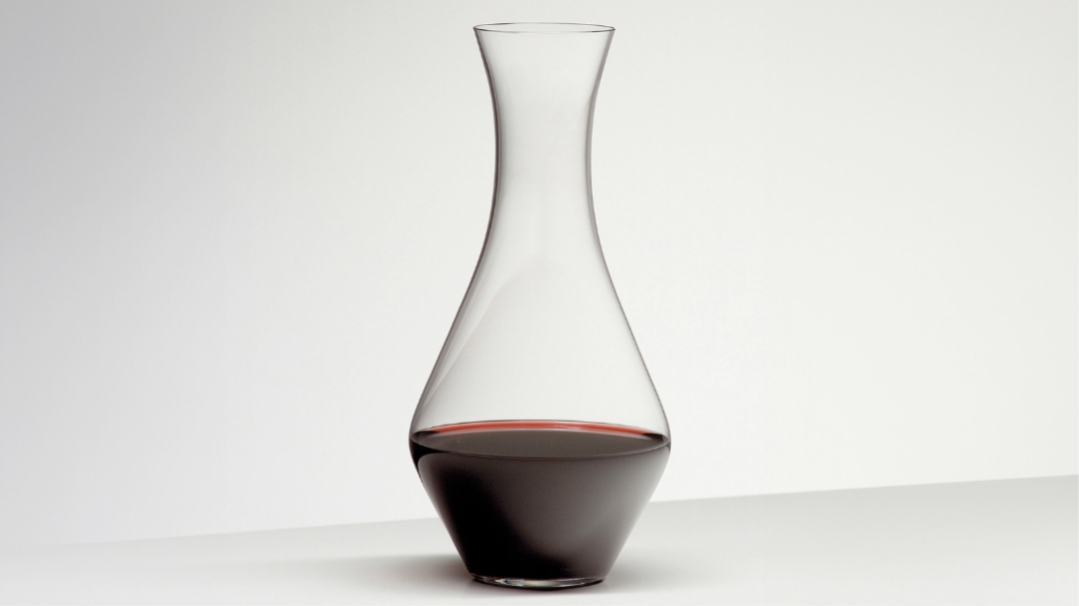
✨ the Riedel Cabernet Decanter $55 |
|
|
|
OUR FAVORITE BOTTLES to DECANT |
|
2006 Valdicava Madonna del Piano
Nearly 20 years old and still going. Brunello at this age typically shows dried rose, iron, leather, and dark cherry — but it remains tannic and closed until it gets air. Don’t rush it. Pour it into a wide decanter, leave it alone for at least 90 minutes, and come back to something completely transformed. |
|
2021 Château Beaucastel DECANT: 1 to 1.5 HOURS The Mourvèdre in this blend is notoriously closed when young and can present an almost feral quality straight from the bottle. An hour in a wide decanter softens that edge and allows the complexity of the blend to reveal itself: Grenache warmth, Syrah spice, and the earthy depth that makes Beaucastel one of the benchmark wines of the southern Rhône. |
|
2007 / 2009 Château Lafleur Lafleur is one of Pomerol's most singular wines, a blend of Merlot and Cabernet Franc from one of the smallest and most coveted estates in Bordeaux. Both the 2007 and the 2009 are at an age where they've opened considerably but still reward air: the 2009 is richer and more generous, with dark plum and mocha still needing a gentle nudge to fully express themselves; the 2007 is more elegant and precise, closer to its plateau, and benefits from a shorter decant of around 30 to 45 minutes. |
|
2022 Stag’s Leap Wine Cellars
|
|
2019 Château Pape Clément Blanc
Most people don’t decant white wine. This is the bottle that will change your mind. The Sémillon in this blend is rich and textured, and the wine has a waxy, almost closed quality when first poured straight from a cold bottle. Fifteen minutes in a decanter at room temperature unlocks it completely. The aromatics open, the texture loosens, and what was a good white Bordeaux becomes a genuinely compelling one. |
|
|
|
NO DECANTER? USE YOUR WINE GLASS A decanter is useful but not essential. A standard wine glass is, in effect, a small decanter. If you use it properly, you can get most of the same benefit. Pour the wine and let it sit for 10 minutes. Then swirl vigorously for 20 to 30 seconds as this will dramatically increase the surface area exposed to oxygen and accelerate aeration. Swirl, smell, taste, repeat. You'll notice the wine opening as you go. The limitation is capacity: a glass exposes far less wine to air than a decanter, so the process is slower and less thorough. For a young Barolo that really needs two hours in a decanter, a glass isn't going to get you there. But for a mid-weight red that just needs a nudge, or a natural wine with a little reduction, it does the job perfectly well. The other option if you don't own a decanter: pour the wine into any wide-mouthed vessel, like a large measuring jug, a carafe, even a clean vase, and let it sit. Surface area is what matters, not aesthetics. |
|
|
|
Drop in and let's talk about decanting! See you soon 🥂 |
|
|