
The Art of the Blend (Part 1)
|
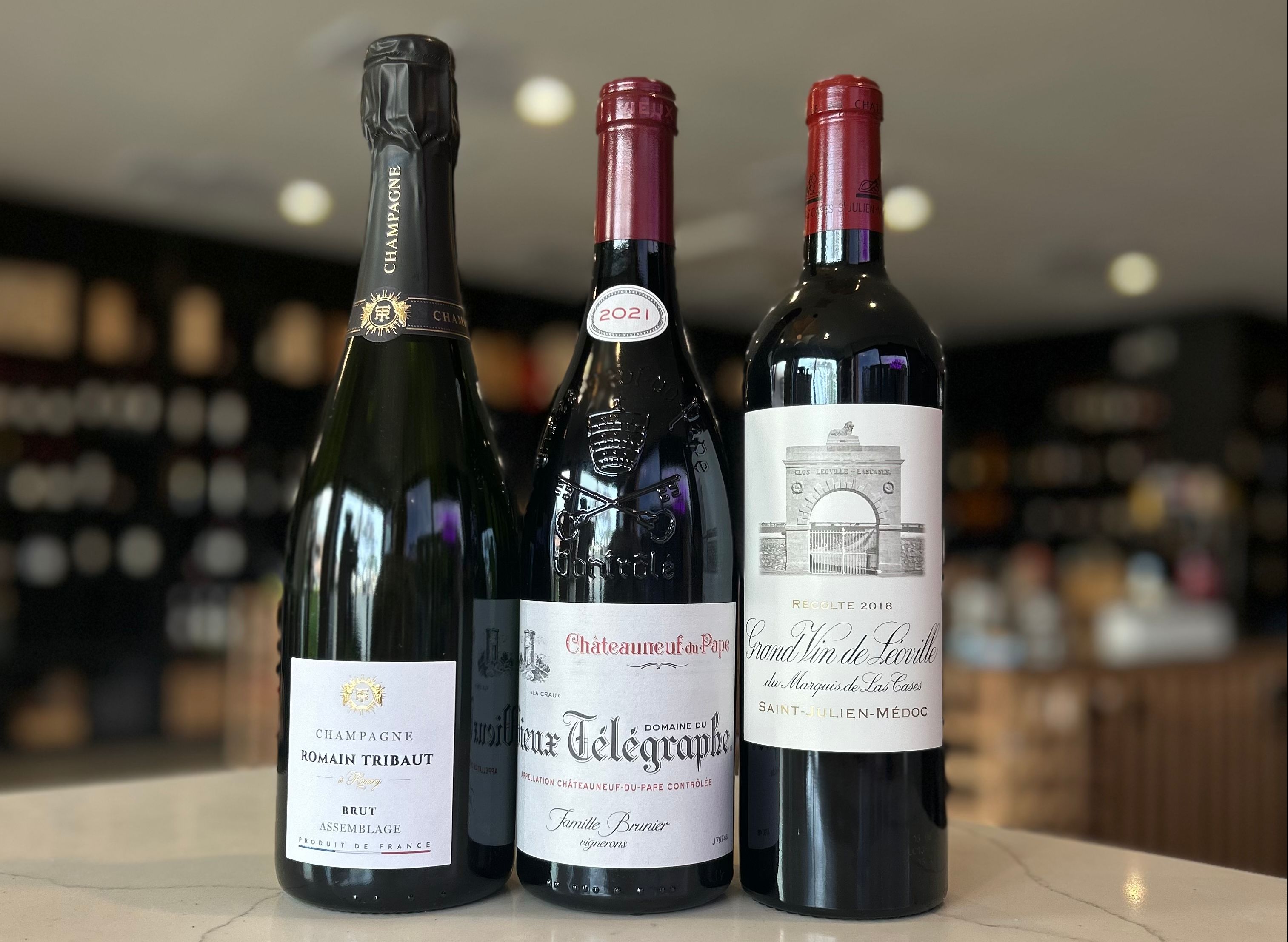
Some of the most celebrated wines in the world, like Champagne, Bordeaux and Châteauneuf-du-Pape, have something in common that doesn't always make it onto the label: they're made from multiple grape varieties, blended together before the wine ever sees a bottle. Not as a workaround, and not by accident. The blend is the whole point. Chateauneuf-du-Pape permits up to 18 varieties. Champagne wouldn't exist without three different grapes doing three completely different jobs in the same bottle. The question worth sitting with is: what can a blend do that a single grape can't? The answer turns out to be quite a lot. |
|
|
|
|
WHY WINEMAKERS BLEND When you ask winemakers why they blend, the answers tend to cluster around the same themes. Here they are, plainly.
|
|
Complexity
|
|
No single grape does everything well. Cabernet Sauvignon gives you structure and longevity but can be austere on its own — a little green, a little hard. Merlot softens it, adds plummy richness. Cabernet Franc lifts the whole thing with floral aromatics and spice. Together they make something none of them manages alone. This is the Bordeaux formula, and it works.
|
|
Consistency
|
|
Grapes ripen at different times. In a tricky vintage (too hot, too cool, too wet) some varieties will struggle while others thrive. Blending gives winemakers a hedge against the weather: if the Merlot was cooked by a September heat wave, there’s Cabernet Franc to fill the gap. For producers whose reputations depend on delivering a consistent style every year, this isn’t just useful. It’s essential.
|
|
Balance
|
|
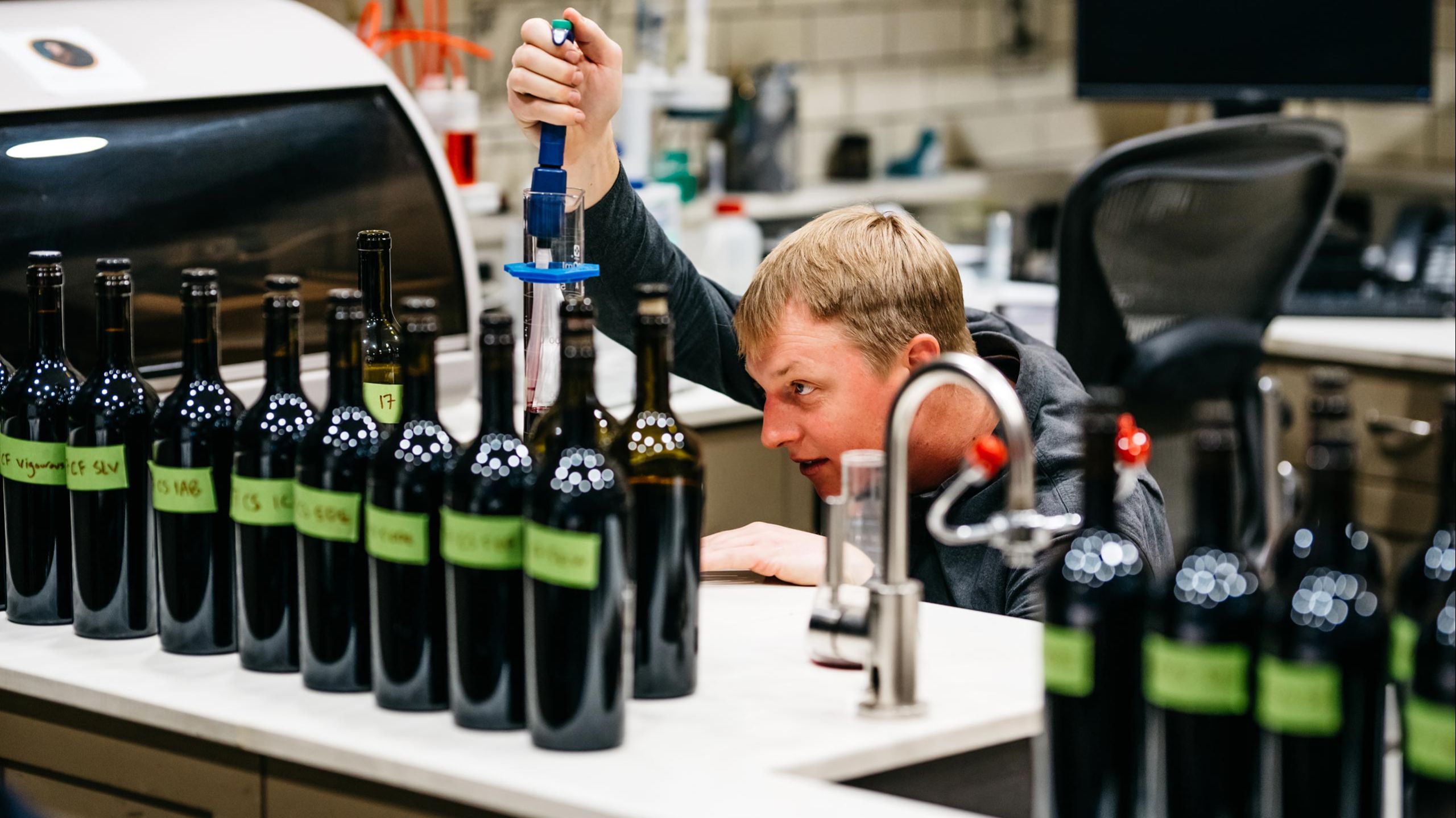
Think of blending the way a cook thinks about seasoning. Too tannic? Add something with softer tannins and more flesh. Too low in acid? Bring in a variety that’s naturally fresh and bright. The winemaker is adjusting and correcting and refining in ways that a single-varietal wine simply doesn’t allow. The blend is where the winemaker’s judgment is most visible.
|
|
Terroir
|
|
Some of the world’s great wine estates contain a dozen different soil types, elevations, and exposures. Different grapes express different terroirs. By blending parcels — a Merlot from the clay, a Cabernet from the gravel ridge, a Cab Franc from the cooler slope — a winemaker can capture the full range of what their land is capable of, rather than just one slice of it.
|
|
Tradition
|
|
In plenty of regions, blending isn’t a stylistic choice — it’s the law. Châteauneuf-du-Pape permits 18 varieties because that’s what centuries of growing on that land revealed works best. The blend is the tradition, and the tradition exists because generations of winemakers kept refining it toward something better.
|
|
|
|
|
THE BLUEPRINT If there’s a single blending tradition that shaped the wine world more than any other, it’s Bordeaux. The formula features Cabernet Sauvignon, Merlot and Cabernet Franc with supporting roles from Petit Verdot, Malbec and Carménère, and has been imitated on every continent and in every climate that can grow Cabernet. The proportions shift depending on which side of the Gironde River you’re on. Left Bank estates like Pauillac and Saint-Julien are Cabernet-dominant (more structured, more austere in youth, built to age for decades). Right Bank estates like Pomerol and Saint-Émilion lean on Merlot (rounder, more approachable, seductively plummy). But the underlying cast of characters is the same. |
|
Cabernet Sauvignon |
|
Provides the tannin, the dark fruit, and the structural framework that allows the wine to age. Without it, the blend has no architecture. On its own it can be austere — all scaffolding, not enough warmth. |
|
Merlot |
|
Softens the tannins, adds body and plummy richness, and makes the wine approachable earlier in its life. The reason Right Bank wines (Pomerol, Saint-Émilion) are so often the entry point for new Bordeaux drinkers: they’re built around Merlot, and Merlot is generous. |
|
Cabernet Franc |
|
The aromatic lift of the blend — violet, graphite, pencil shavings, dried herbs. It’s why a great Bordeaux smells so distinctive, and why Château Cheval Blanc, which leans heavily on Cabernet Franc, smells unlike anything else in the appellation. |
|
Supporting Grapes |
|
Petit Verdot (color/tannin), Malbec (color/spice), and Carménère are used in smaller, sometimes experimental, amounts. |
|
✨ Featured Bordeaux This Merlot-led blend matured elegantly on Lafleur’s iron-rich clay soil, yielding a wine marked by refined dark fruit, subtle truffle and leather notes, and balanced structure. On the palate, it shows taut acidity supporting fine-grained tannins. It finishes with mineral tension and contemplative length. |
|
|
|
THE MOST CALCULATED BLEND IN THE WORLD |
|
Pinot Noir |
|
A red grape vinified as white. Provides structure, red fruit depth, and the aging backbone. Without it, Champagne lacks weight and the ability to develop over time. |
|
Chardonnay |
|
Citrus, chalk, green apple, and the crisp, precise acidity that defines great Champagne. Blanc de Blancs (100% Chardonnay) is the most delicate and mineral expression of the region. |
|
Pinot Meunier |
|
The unsung hero. Ripens earlier than the others, contributes generous, approachable red fruit and floral aromatics. It’s what makes a young non-vintage Champagne immediately enjoyable rather than tight and austere. Most houses use it heavily but rarely shout about it. |
|
✨ Featured Champagne With extended lees aging in bottle, the wine combines freshness with added texture and complexity. It opens with aromas of citrus, green apple, and white flowers layered with subtle brioche, almond, and pastry notes, leading to a crisp, lively palate marked by fine bubbles, bright acidity, and a smooth, lingering finish. Elegant yet approachable, it pairs beautifully with oysters, shellfish, roast chicken, soft cheeses, or light appetizers, making it equally suited to aperitif service or the table. |
|
Stay tuned for Part 2, where we'll cover the Rhône's GSM tradition and spotlight five blends from our shelves — including one Right Bank Bordeaux that uses Cabernet Franc as the lead variety, which shouldn't work as well as it does. |