Sparkling Wine Decoded

THE SATURDAY SOMMELIER
Your weekly deep-dive into the world of wine & spirits
April 11, 2026  |  ISSUE No. 21

Sparkling Wine Decoded

Spring has a way of making everyone reach for a bottle with bubbles. And every spring, the same question comes up at the counter: “What’s the difference between all of these?”

The honest answer is that the differences matter a lot more than most people realize, not just in terms of taste and quality, but in terms of what the winemaker actually did to get the bubbles in the bottle. The method turns out to be the whole story. Here’s how it all works.

Brand campaign image

THE METHOD IS EVERYTHING: How Bubbles Are Made

There are three main ways to make a sparkling wine, and understanding them is the fastest way to understand why one bottle costs $25 and another costs $300, and why neither of those prices is necessarily wrong.

THE TRADITIONAL METHOD (Méthode Traditionnelle)


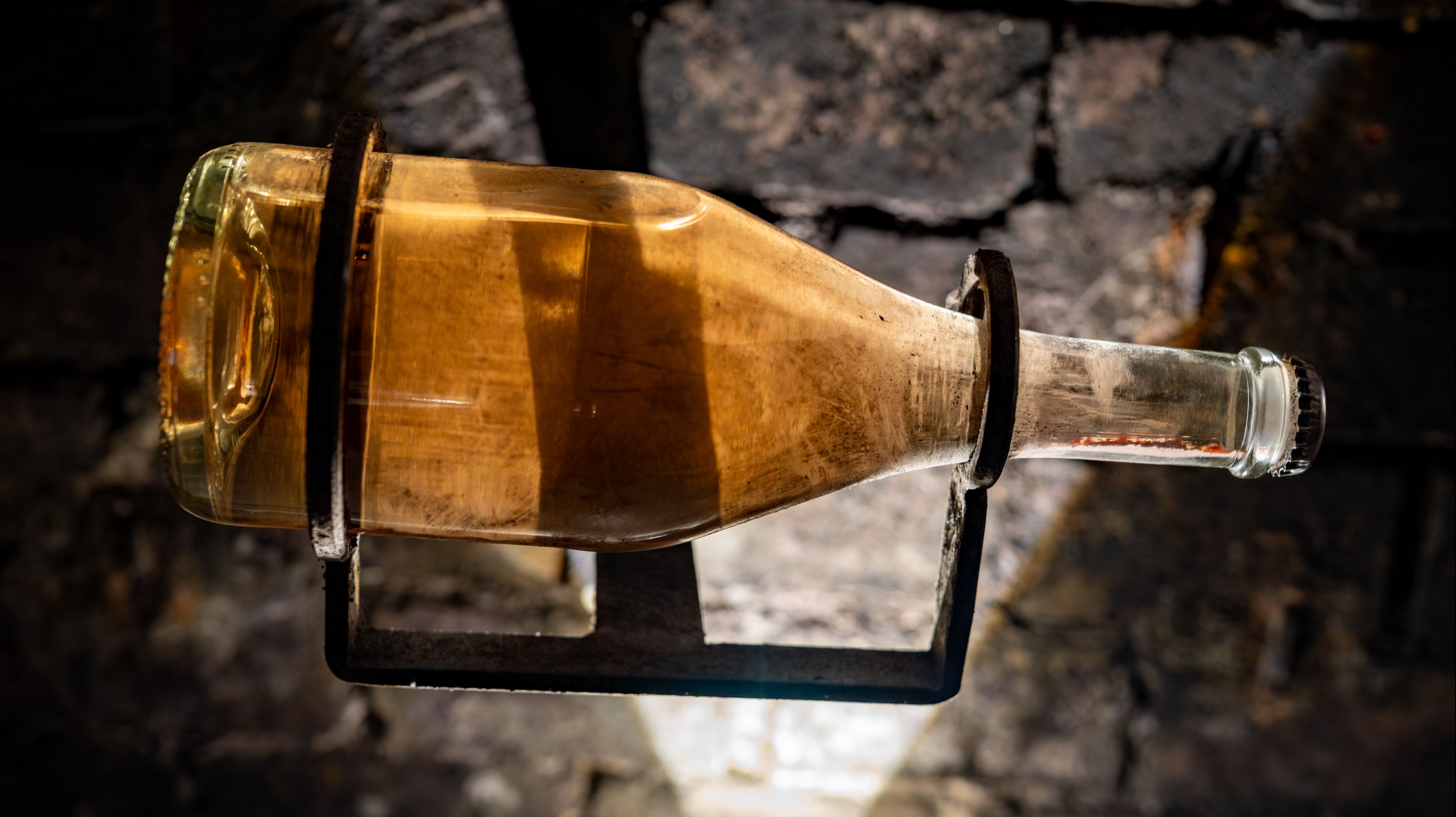
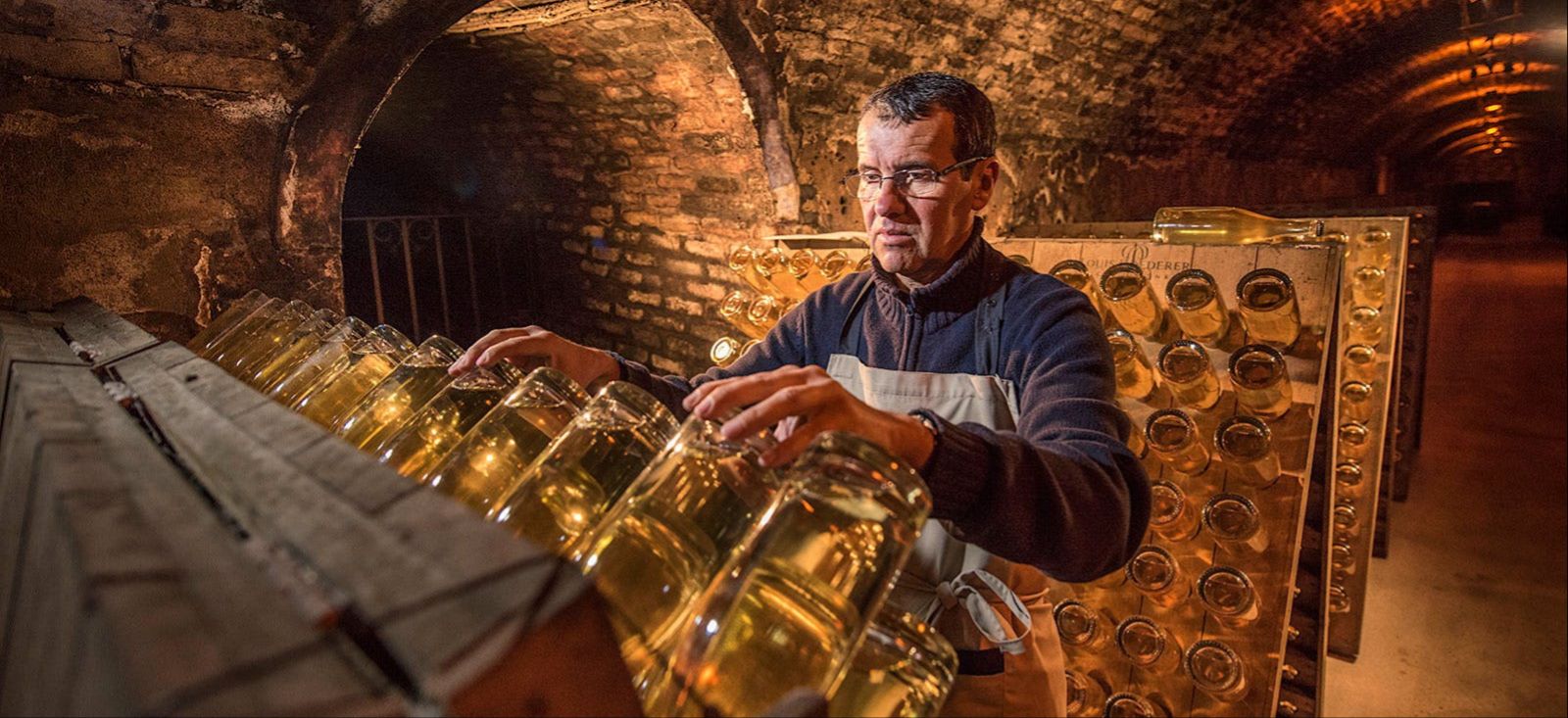
The most labor-intensive, expensive, and widely respected approach. After the initial fermentation, a small amount of sugar and yeast is added to each individual bottle, which is then sealed. The wine ferments a second time inside that bottle, producing carbon dioxide that gets trapped and dissolved into the wine. This is what creates the fine, persistent bubbles and the complex toasty, bready flavors that make great Champagne so distinctive. The yeast cells — called lées — remain in contact with the wine for months or years, adding depth and texture. Eventually they’re removed in a process called disgorgement.

Champagne, Crémant, Cava, Franciacorta: all traditional method. 

THE TANK METHOD (Charmat Method)


Instead of fermenting in individual bottles, the second fermentation happens in a large pressurized tank. The wine is then filtered and bottled under pressure. It’s faster, cheaper, and produces larger, softer bubbles and fresher, fruitier flavors. Prosecco is the most famous example. This isn’t a lesser method, exactly — it’s designed specifically for wines like Glera, whose aromatic freshness is best preserved at lower pressure and without extended lees contact. 


THE ANCESTRAL METHOD (Méthode Ancestrale)


The oldest of the three, and the most unpredictable. The wine is bottled mid-fermentation, before all the sugar has converted to alcohol. It continues fermenting in the bottle, producing natural carbonation, and often left unfiltered, with some residual yeast and sediment. The result is Pét-Nat: slightly hazy, lower in alcohol, often with a cider-like freshness and an appealing roughness around the edges. Crown cap instead of a cork. This is natural wine’s preferred sparkling style, and it divides opinion sharply (more on that in a future issue).


THE STYLE

Five Different Styles Explained

Brand campaign image

PÉT-NAT
(Pétillant Naturel)
Anywhere- made globally

Method:
Ancestral method. Bottled mid-fermentation, unfiltered, crown cap.

Grapes:
No rules. Anything goes: Chenin Blanc, Gamay, Grüner Veltliner, Malbec.

What it tastes like:
Hazy, lively, often a little funky, lower in alcohol than most sparkling wines. Can taste like a very sophisticated sparkling cider. Inconsistent by nature and that’s part of the appeal for some and the annoyance for others. Very much the natural wine movement’s preferred bubble.

PROSECCO
Veneto and
Friuli-Venezia Giulia, Italy


Method:
Charmat (tank) method. Quick fermentation to preserve freshness.


Grapes:
Glera, predominantly. Other local varieties permitted.

What it tastes like:
Light, fresh, softly fizzy: think white peach, pear, and a hint of almond. Lower acidity than Champagne or Cava. Designed to be drunk young and cold. Excellent as an aperitivo, genuinely lovely in a Spritz. Not trying to be Champagne, which is exactly why it works.

SPARKLING ITALIAN REDS: LAMBRUSCO & GRAGNANO
Emilia-Romagna and Campania, Italy


Method:
Charmat method for most commercial production; traditional or ancestral method for artisan producers.

Grapes:
Lambrusco: Sorbara, Grasparossa, Salamino
Gragnano: Piedirosso, Aglianico, Sciascinoso

What they taste like:
Both wines are victims of the same reputation problem — people associate Italian sparkling reds with the sweet, cheap stuff from the 1980s and write off the entire category. That's a mistake. A dry Lambrusco di Sorbara from a serious producer is dark, tart, fizzy, and savory, with a depth that makes it one of the most food-friendly sparkling wines in the world. Gragnano, from the hills above Sorrento, is brighter and more cherry-forward, with a juicy acidity that cuts through anything rich on the table. Both are served chilled.

CHAMPAGNE
Champagne, France

Method:
Traditional method. Minimum 15 months on lees for non-vintage; 36 months for vintage.

Grapes:
Chardonnay, Pinot Noir, Pinot Meunier These can be used solo or blended into a house style.

What it tastes like:
Toasty, brioche, citrus, chalk, lemon curd and often red fruit from the Pinot. The benchmark against which everything else is measured. Non-vintage champagnes are designed for consistency while vintage champagnes offer a portrait of a specific year.


CRÉMANT
Various regions, France

Method:
Traditional method, made outside the Champagne appellation. Same technique, lower minimum aging requirements.

Grapes:
Varies by region: Alsace uses Pinot Blanc and Auxerrois; Loire uses Chenin Blanc; Burgundy uses Chardonnay and Pinot Noir.

What it tastes like:
Genuine quality at a fraction of Champagne’s price. Crémant d’Alsace is the best value in French sparkling wine, full stop. Lighter, crisper, and more immediately refreshing than most Champagne.


CAVA
Catalonia, Spain (primarily)

Method:
Traditional method. Minimum 9 months on lees for entry-level; Reserva and Gran Reserva age much longer.

Grapes:
Macabeo, Xarel-lo, Parellada — three indigenous Spanish varieties. Pinot Noir and Chardonnay also permitted.

What it tastes like:
Earthier and more rustic than Champagne, with apple, lemon, and a characteristic slightly chalky, yeasty quality. Gran Reserva Cava (aged 30+ months) can be genuinely impressive and age-worthy at a very reasonable price.


FROM OUR SHELVES:
OUR FAVORITE SPARKLING WINES

2022 Bellenda 'Con Alti' Colli Trevigiani IGT $28
A Pet-Nat from the Treviso hills, this Bellenda offering is fresh and mineral-driven. An approachable, food-friendly everyday sipper.

2025 No Love Lost Seeing Stars Sparkling Riesling $35
A playful and aromatic sparkling Riesling bursting with white peach, lime zest, and floral lift: fresh, fun, and just off-dry.

Bellenda 'Fratelli Cosmo' Prosecco Extra Dry $20
A classic, lightly off-dry Prosecco with soft bubbles and notes of green apple, white peach, and cream — perfect for aperitivo hour.

2021 Ventiventi Brut Lambrusco Salamino di Santa Croce $36
A fascinating traditional-method Lambrusco delivering fine red berry bubbles, dried violets, and a dry, earthy finish. A serious, savory take.

A.R. Lenoble Blanc de Blancs Chouilly Grand Cru Millésime V.20 $80 A single-vintage, single-village Champagne from the renowned Chouilly Grand Cru, offering precise Chardonnay character with bright citrus, chalk, and elegant toasty depth.

NV A.R. Lenoble 'Cuvée Intense Mag' Extra Brut 375ml $38
Crafted with reserve wines, this extra brut is taut and mineral with lively acidity and a dry, focused finish.

NV Romain Tribaut Grand Cru Pur Chardonnay $120
A grower Champagne Blanc de Blancs from Grand Cru fruit. Expect pristine citrus blossom and fine, persistent mousse from this boutique house.

2021 Fabien Bergeronneau Dans Mes Pensées Brut Nature $90
A zero-dosage grower Champagne with raw, uncompromising purity. Expect steely minerality, wild citrus, and a lean, vibrant structure.

NV Philippe Fontaine Tradition Brut $65
A well-rounded, classic-style grower Champagne offering baked apple, brioche, and hazelnut notes with a clean, balanced finish.

NV Grand Siècle par Laurent-Perrier No. 26 $250
Laurent-Perrier's prestige cuvée, a multi-vintage blend of three exceptional years, is one of Champagne's most consistently elegant and complex wines, Seamlessly rich yet precise.

1999 Salon Cuvée 'S' Le Mesnil Blanc de Blancs Brut $1,200
One of Champagne's most mythic wines, Salon is produced only in exceptional years from a single Grand Cru vineyard in Le Mesnil-sur-Oger. The 1999 is now in its magnificent drinking window, offering breathtaking depth: lemon curd, white truffle, toasted brioche, and a minerality that seems to go on forever.

1978 Dom Pérignon Brut $725
A legendary vintage from one of Champagne's most iconic names, now offering decades of bottle-aged complexity: dried fruit, truffle, earth, and extraordinary depth for the true collector.


PRO TIP: Look for Grower Champagne


Most Champagne you’ve heard of, such as Moët, Veuve Clicquot, or Laurent-Perrier, is made by large houses that buy grapes from hundreds of different growers and blend them into a house style.


But there’s another category worth knowing: grower Champagne, made by small producers who grow their own grapes and make wine that reflects a specific village or a single vineyard.


Grower Champagne tends to have more terroir character, more personality, and more variation between bottles. Look for the initials RM (récoltant-manipulant) on the label.

We carry Cristal from Louis Roederer — one of the houses that owns most of its own vineyards, making it something of a hybrid between a grower and a maison, and one of the reasons Cristal consistently outperforms other prestige cuvées in quality. 


We've got bubbles for every occasion and every budget. Drop in, tell us the occasion, and we’ll find the right bottle.

See you soon!

Back to blog