THE SATURDAY SOMMELIER
August 8, 2026 | ISSUE No. 38
Your weekly deep-dive into the world of wine & spirits
|
|
Show Off Your Wine Skills
A few simple things that make you look like a pro at the table
|
|
Someone hands you a glass, the table goes quiet, and everyone waits for you to say something smart about it. Maybe it’s a first date. Maybe it’s dinner with your partner’s boss. Maybe it’s a work event where the wine costs more than your shoes.
We’ve all been there. Here’s the good news: a handful of simple habits make a real difference at moments like these, and they’re the same things the pros do. Learn a few of them and you’ll not only look the part, you’ll get more out of every glass you drink. So this week, a friendly guide to the small skills that go a long way.
|
|
THE BASICS
SIX SIMPLE SKILLS WORTH KNOWING
None of these takes any special training. They’re small habits that make wine more fun to drink and easier to talk about, and every one of them is something you’ll see a sommelier do without thinking.
|
|
No. 1
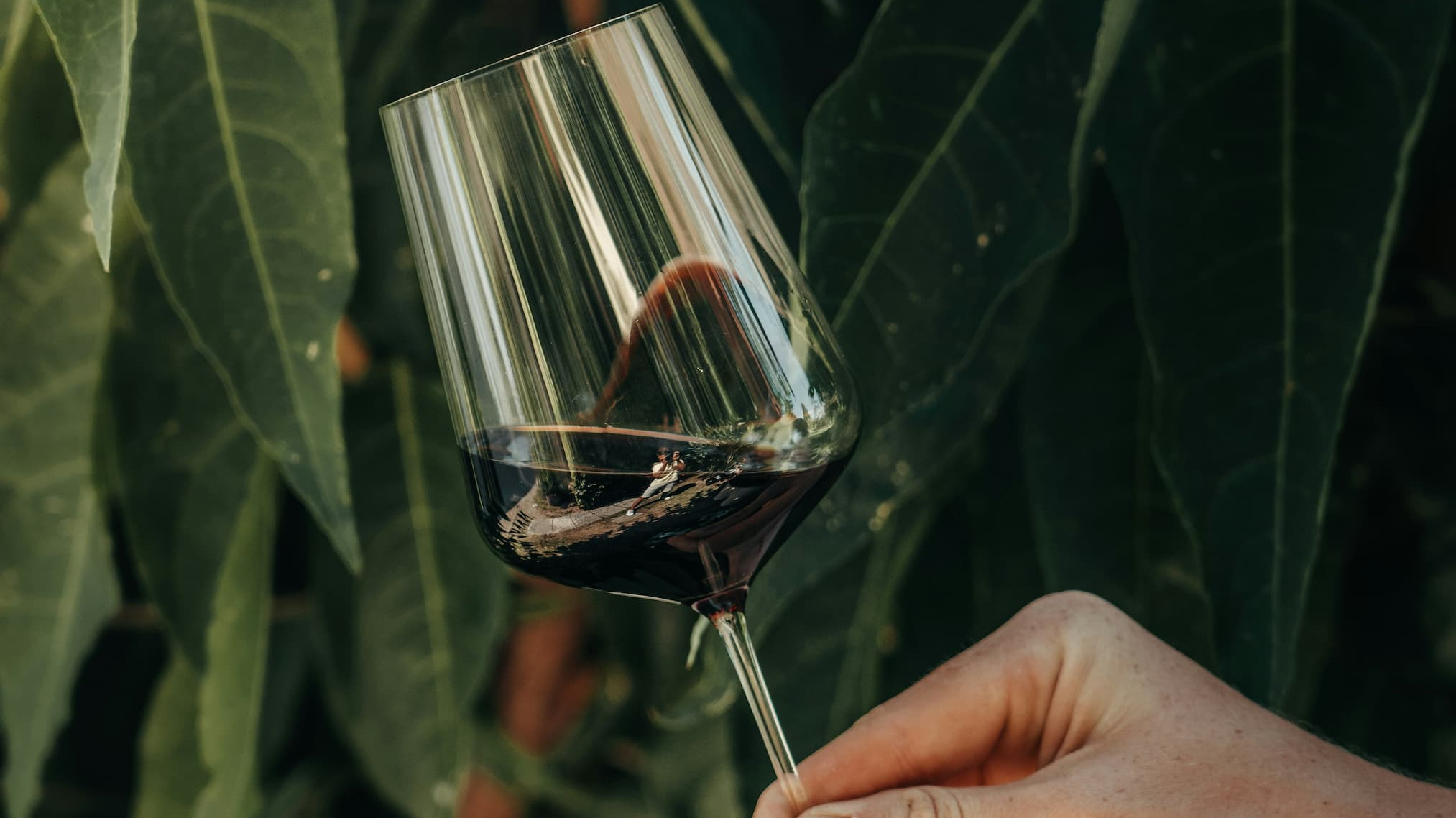
Hold the glass by the stem.
|
|
This is the single easiest habit to pick up, and it does a real job. Holding the bowl warms the wine and smudges the glass. Holding the stem keeps it at temperature and looks deliberate. Small thing, big difference.
What to say: “I don’t want to warm it up with my hand.”
|
|
No. 2
Give it a swirl and a good look.
|
|
Swirling releases aroma, and it buys you a few seconds to think. Then tilt the glass against the light and glance at the color. The act of swirling and looking is the whole move, and it's a real part of tasting wine.
What to say: “It’s showing beautifully in the glass.”
|
|
No. 3
When in doubt, talk about acidity.
|
|
Acidity is the quality that makes a wine feel lively and makes your mouth water. Almost every crisp white and lighter red has it, so naming it is a safe and useful observation, and a more precise one than “this tastes good.” Once you learn the feeling, you’ll notice it in most wines worth drinking.
What to say: “Lovely acidity here. Really fresh.”
|
|
No. 4
For reds, comment on the tannins.
|
|
Tannin is the drying, grippy feeling a red leaves on your gums, the same sensation as strong black tea. Young reds tend to have lots of tannins. In older reds, they are often smoothed out by the time spent aging. Call them “firm” or “grippy” if the wine dries your mouth, “soft” or “smooth” if it doesn’t. It’s one of the easiest real things to notice in a red.
What to say: “The tannins are still pretty firm. This could use a little time.” or "The tannins are so smooth."
|
|
No. 5
Guess a broad flavor family, not a specific fruit.
|
|
You don’t need to name “crushed blackberry and violet.” Go wide. For reds, “red fruit” or “dark fruit” covers most of them. For whites, “citrus” or “stone fruit” is safe. Broad families are easy to get right, and naming one is the first step in tasting more precisely.
What to say: “I’m getting a lot of dark fruit on this one.”
|
|
This is the one the real experts lean on most. Ask where the wine is from, or what everyone else is picking up. Curiosity is the heart of learning wine, and a good question keeps the conversation going while you taste and think.
What to say: “Where’s this one from? I’m trying to place it.”
|
|
PUT IT INTO PRACTICE
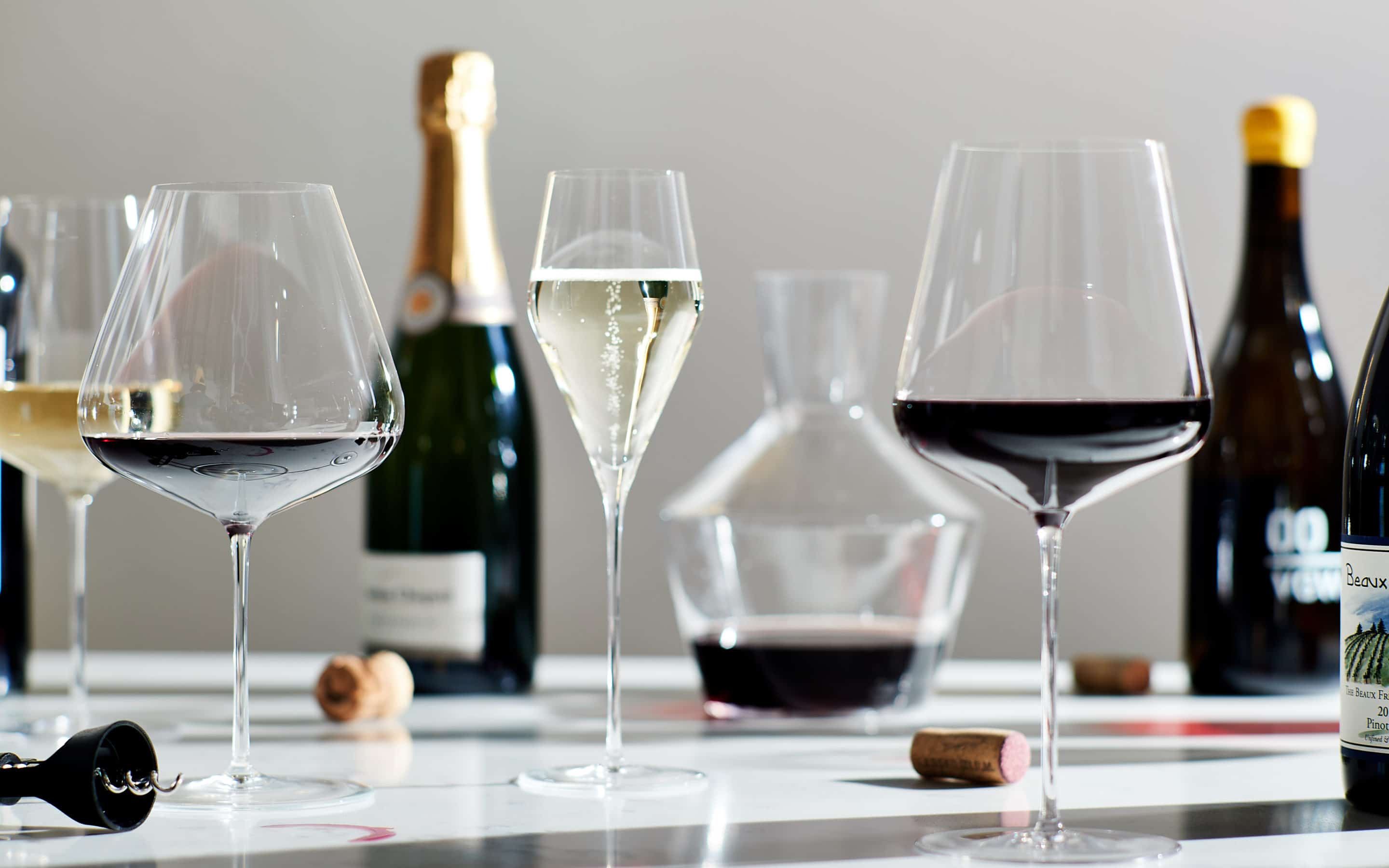
The best way to build wine skills is to taste more often, with more attention. The more you taste, the more comfortable you'll become. Sit down with each of these bottles to practice the skills above and build your confidence.
|
|
Bouzereau is a respected Meursault family, and their entry-level white Burgundy is pure, crisp Chardonnay: citrus, orchard fruit, and a clean, stony freshness.
Take a sip and notice the way it makes your mouth water and finishes bright and clean rather than heavy. That mouthwatering lift is acidity: the more your mouth waters, the higher the acidity.
Bonus: The cool, chalky note running through this wine it is what people mean when they talk about minerality.
|
|
|
|
Barolo is made from Nebbiolo, one of the most tannic grapes in the world, and Reverdito is a wonderful producer from La Morra.
Expect rose, tar, red cherry, and a firm, drying grip. Take a sip and notice the grippy, mouth-coating feeling on your gums and teeth a moment later. That's tannin at full volume.
This is a young Barolo, so decant it for an hour, and you'll feel those tannins begin to soften as it opens.
|
|
|
|
The people who know the most about wine are rarely the ones showing off about it. They’re the ones asking questions, admitting when they can’t place something, and happily drinking a $20 bottle on a Tuesday. Skill with wine doesn’t come from memorizing lines. It comes from tasting lots of it and paying a little attention along the way.
Hopefully these skills will help you enjoy every glass a little more.
|
|
Come practice with us!
Tell us what you like, ask us anything, and order a wine tasting at the bar. No performing required.
See you soon 🥂
|
|
|
|
|