
Farming by the Moon: What Biodynamics Really Means
|

|
THE SATURDAY SOMMELIER |
|
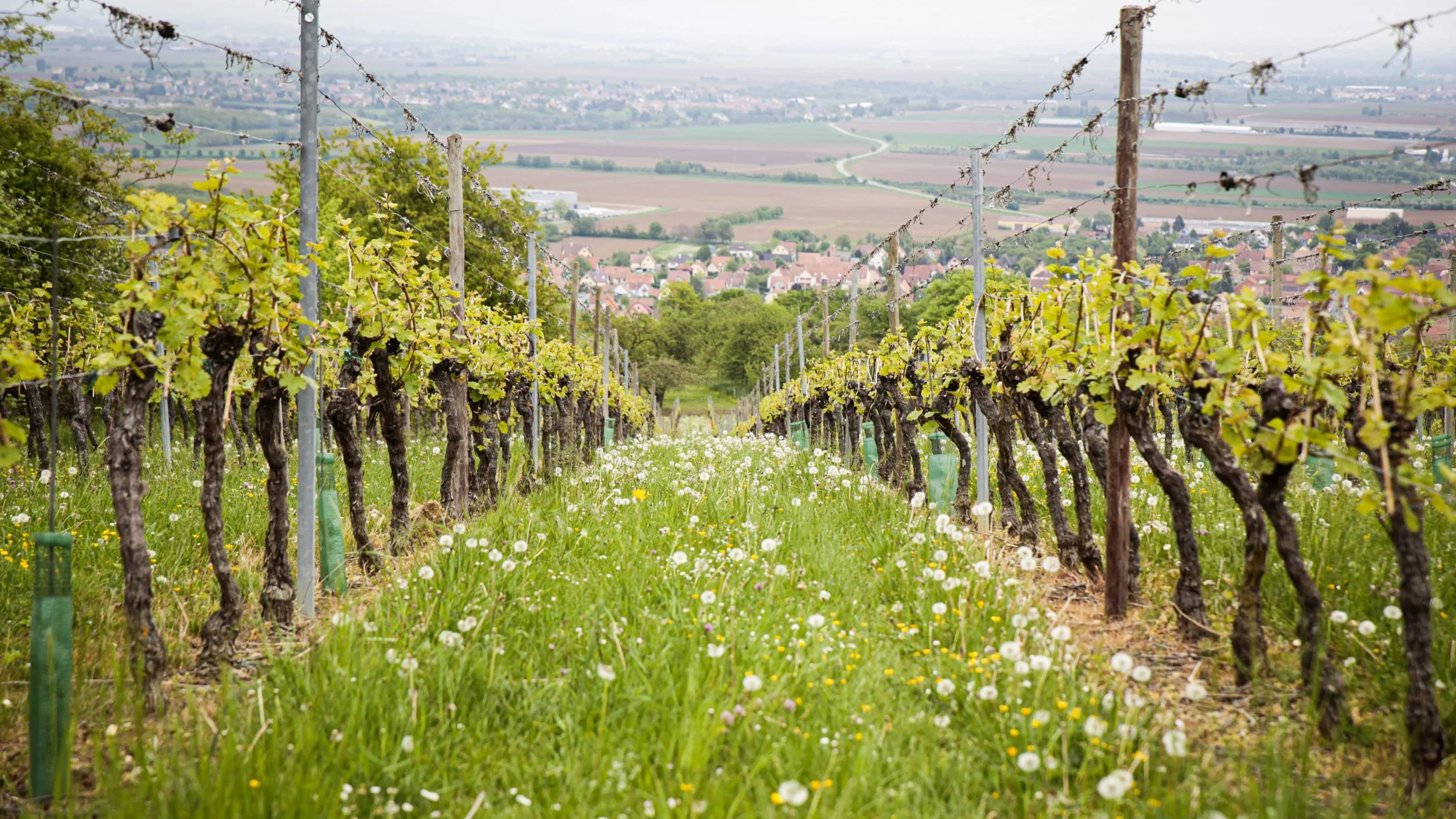
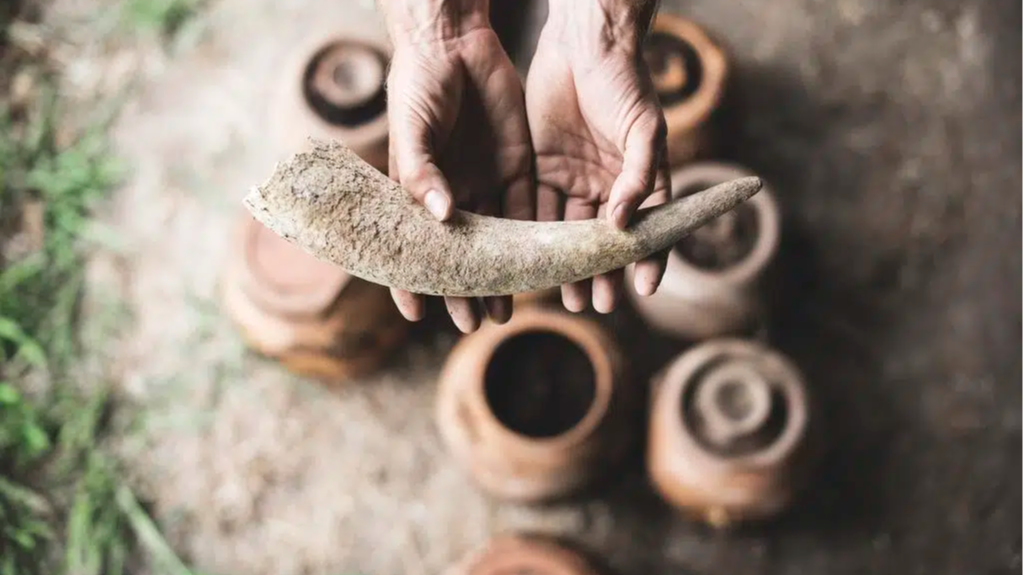
Somewhere in a vineyard right now, someone has buried a cow horn packed with manure and is waiting for the soil to transform it over the winter. In the spring they’ll dig it up, stir a small amount in water and spray the dilution across their vines. They believe it makes the wine better. Biodynamic farming is one of the most fascinating topics in wine. It produces some of the greatest bottles on earth (many of the most revered domaines in Burgundy, the Loire, and Alsace farm biodynamically) and it’s built on a foundation of ideas that range from ecological science to astrology. This week we’re going into what biodynamics actually is, where it came from, what the buried horns are for. |
|
|
|
|
THE ORIGIN One Man, Eight Lectures, 1924 Biodynamic agriculture traces to a single source: a series of eight lectures delivered in 1924 by Rudolf Steiner, an Austrian philosopher and the founder of a spiritual movement called anthroposophy. Steiner was responding to a real problem. In the early 1920s, European farmers were reporting degraded soils, declining seed vitality, and weakening livestock after a few decades of increasingly industrial agriculture. They asked Steiner for guidance. What he gave them was a holistic system that predated the organic movement by two decades. Steiner’s central idea is this: the farm should be understood as a single self-contained living organism. Soil, plants, animals, compost, and the people working the land are all part of one interconnected system, and the goal is to make that system as self-sustaining and vital as possible, generating its own fertility, its own balance, its own health, with as little external input as possible. Steiner also included cosmic forces, planetary rhythms, and a set of nine numbered “preparations” involving manure, ground quartz, and various herbs fermented inside specific animal organs and buried underground at particular times of year. This is where biodynamics goes from “thoughtful organic farming” to something much harder to explain. |
|
|
|
THE PREPARATIONS At the heart of biodynamic practice are nine preparations, numbered 500 through 508. The two most important, and most famous, are the field sprays, 500 and 501. The other six (502–507) are compost preparations made from specific medicinal herbs, and 508 is a horsetail tea. Here are the two that define the practice in most people’s minds. |
|
500. Horn Manure |
|
What it is: Fresh cow manure is packed into a cow horn, buried in the ground over winter, then dug up in spring. The transformed material is stirred vigorously in water for exactly one hour (a process called “dynamization”) before being sprayed on the soil as a dilute solution. The purpose: To stimulate root development, soil microbial life, and humus formation. This is the soil preparation. |
|
501. Horn Silica |
|
What it is: Finely ground quartz crystal is packed into a cow horn and buried over summer, then dug up, dynamized the same way, and sprayed as a fine mist over the foliage of the growing plants.
|
|
If this sounds strange, that’s because it is. The use of animal organs as fermentation vessels, the precise burial timing, the hour-long stirring — none of it has an obvious mechanistic explanation in conventional chemistry. Defenders argue the preparations function more like compost activators or homeopathic catalysts; critics point out that the dilutions involved are so extreme that, by conventional science, almost none of the original substance remains in what gets sprayed. |
|
|
|
THE CALENDAR Farming by the Moon and Stars The other distinctive feature of biodynamics is timing. Practitioners follow a biodynamic calendar that divides days into four types — root days, leaf days, flower days, and fruit days — based on the moon’s position relative to the zodiac constellations. Vineyard tasks, and even the ideal days for tasting wine, are scheduled accordingly. Pruning on a fruit day, bottling on a flower day, and so on. Some major retailers in the UK have, at various points, actually scheduled their press tastings around “fruit days” because they believed the wines showed better. Whether that reflects a real phenomenon or a very powerful placebo effect is, again, unresolved. What’s not in dispute is that the lunar-astrological element is the single hardest part of biodynamics to reconcile with science, and the part that even some sympathetic winemakers quietly ignore while embracing the rest. |
|
IS BIODYNAMIC FARMING BETTER? Domaine de la Romanée-Conti farms biodynamically. So do Leroy, Leflaive, Zind-Humbrecht, Chapoutier, Nikolaihof, and a long list of the most respected names in fine wine. They are some of the most skilled and meticulous farmers on earth, and they have chosen, with their own money and their own reputations, to bury the horns and follow the calendar. There are a few ways to read this. Perhaps he full biodynamic system produces results that reductionist science hasn’t yet learned how to measure, and it’s possible biodynamics is onto something we can’t yet quantify. Or maybe the rituals themselves force a level of attention, presence, and care in the vineyard that does improve the wine. The farmer who walks the vines on a precise schedule notices problems earlier. |
|
|
|
You don’t need to believe in cosmic forces to appreciate biodynamic wine. The category includes some of the most alive, expressive, terroir-driven wines being made anywhere, and the farming is about as good for the land as agriculture gets. Our take: judge the wine, not the philosophy. We carry a number of biodynamic and biodynamically-farmed wines, and we stock them because they’re excellent, not because of the label. If you’re curious to taste what the fuss is about, come in and we'll find your next favorite bottle. |
|
See you soon 🥂 |