THE SATURDAY SOMMELIER
August 1, 2026 | ISSUE No. 37
Your weekly deep-dive into the world of wine & spirits
|
|
All About Terrior
Is it real?
|
|
Terroir is the most romantic word in wine. It’s the idea that a wine tastes like the specific place it comes from: the soil, the slope, the climate, the light, even the culture and hands that shaped it.
Is it the soul of wine or is it a convenient story that justifies charging more for a bottle?
The best way to settle the question is to taste the same grape grown in different places, side by side, and notice how different the wines are when nothing but the place has changed.
This week, two head-to-head flights, two wines that taste unmistakably of a single spot on earth, and a look at where terroir reaches its most exalted heights. Do this at home and you’ll never doubt that terroir is real again.
|
|
THE DEFINITION
WHAT TERROIR MEANS
There’s no perfect English translation, which is might be why the word gets thrown around so much. At its core, terroir is the combination of natural factors that a vineyard can’t control and can’t replicate anywhere else: the soil type and its drainage, the elevation and the angle of the slope, the amount of sun and wind, the day-to-night temperature swing, the rainfall, and the local microflora. Some definitions extend it to include human tradition, the accumulated knowledge of how to farm a specific site.
Skeptics believe that much of what gets attributed to terroir is really winemaking choices, grape clones, and marketing. And its true that a heavy hand in the cellar can bury terroir completely, which is exactly why the comparison has to be done carefully, with producers who let the place speak. When you do that, the differences are easy to see.
|
|
HEAD-TO-HEAD NO. 1
PINOT NOIR: One Grape, Five Places
|
|
Pinot Noir is the grape most famous for transmitting terroir. It’s thin-skinned, sensitive, and transparent, meaning it hides nothing about where it grew. Line these five up and the differences aren’t subtle: cool coastal California, high-desert Argentina, rainy Oregon, and the Burgundian benchmark that started it all. Same grape in every glass. Five completely different wines.
|
|
Santa Barbara County, California
|
|
Bright red fruit, warm and open. California sunshine in a glass.
|
|
|
|
Santa Rita Hills, California
|
|
Cooler, more savory. Coastal fog and a saline edge.
|
|
|
|
Willamette Valley, Oregon
|
|
Red-fruited and elegant, with an earthy, forest-floor lift.
|
|
|
|
2021 Benjamin Leroux "Les Santenots" 1er Cru $185The benchmark. Silky, layered, iron, violets and limestone.
|
|
|
|
HEAD-TO-HEAD NO. 2
SAUVIGNON BLANC: Three Homelands
|
|
Sauvignon Blanc is nearly as transparent as Pinot, and these three show how dramatically it shifts with place. One comes from the only corner of Burgundy allowed to grow the grape, one from its Bordeaux heartland, and one from sunny Santa Ynez. Same grape, three accents.
|
|
Saint-Bris, Burgundy, France
|
|
2023 Domaine Bersan $40The only appelation in Burgundy for Sauvignon Blanc. Flinty, mineral and taut.
|
|
|
|
Entre-Deux-Mers, Bordeaux, France
|
|
|
|
Santa Ynez Valley, California
|
|
|
|
TERROIR IN ONE GLASS
TWO WINES THAT TASTE LIKE a PLACE
|
|
Some wines don’t need a comparison to make the point. They so clearly reflect their origin that the place is right there in the glass. Here are two, both shaped by volcanic activity in very different ways.
|
|
Campania, Italy $26
Falanghina grown on the volcanic soils around Naples carries a stony, mineral, almost smoky edge beneath its bright citrus and white flowers. That savory volcanic character isn’t a winemaking trick, it’s the ground the vines grow in. Proof that terroir isn’t a luxury-price phenomenon.
|
|
Stags Leap District, Napa Valley $250
The S.L.V. site sits beneath the volcanic Stags Leap Palisades, whose rocky, well-drained soils and heat-radiating cliffs give the wine its signature combination of power and a clean, graphite-like minerality. It’s often described as “an iron fist in a velvet glove,” a texture that comes directly from this specific patch of Napa ground and nowhere else.
|
|
FOR the COLLECTOR
WHERE TERROIR GETS SERIOUS
|
|
At the very top of the wine world, terroir stops being an abstraction and becomes the entire point, sometimes drawn in the soil of a single walled vineyard. These two bottles are where the concept reaches its most exalted, and where the price reflects the belief that a specific plot of earth is genuinely irreplaceable.
|
|
Saint-Julien, Bordeaux, France $330
One of the great “super-seconds” of Bordeaux, whose vineyard sits right against first-growth Château Latour. The gravel-over-clay soils of this Saint-Julien site produce a wine of extraordinary structure and longevity, and its proximity to the Gironde River provides a microclimate that enables early ripening and protects the vines from frost. The estate’s reputation rests on the quality of that specific ground.
|
|
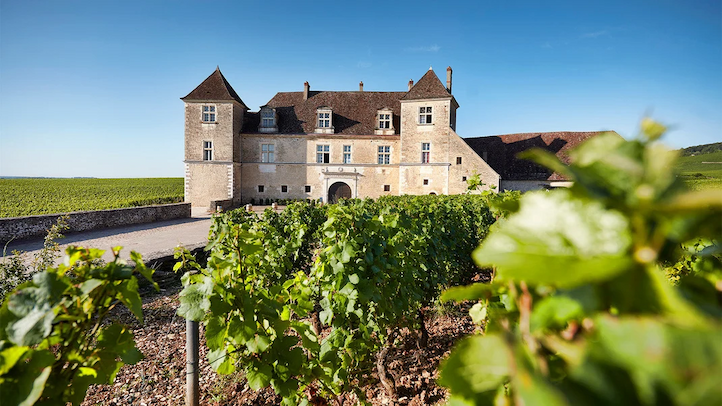
Vosne-Romanee, Burgundy, France $525
The ultimate terroir debate in one bottle. Clos de Vougeot is a single walled vineyard, established by monks in the 12th century, whose soils vary dramatically from top to bottom of the slope. It’s the purest illustration there is that terroir can change within a few steps, and that where in a vineyard your grapes grow matters as much as which vineyard it is. Small but mighty, the 5.5-hectare domaine includes some of the most profound terroirs of Vosne Romanée and northern Nuits St Georges, including a large proportion of incredibly old vines, planted before WWII.
|
|
Want to experiment with terroir yourself? Pick up any two wines from the same grape and different places, open them side by side, and pay attention. We’re always happy to put a flight together for you. It’s one of the most fun ways we know to taste wine.
|
|
|
|
|